
How To
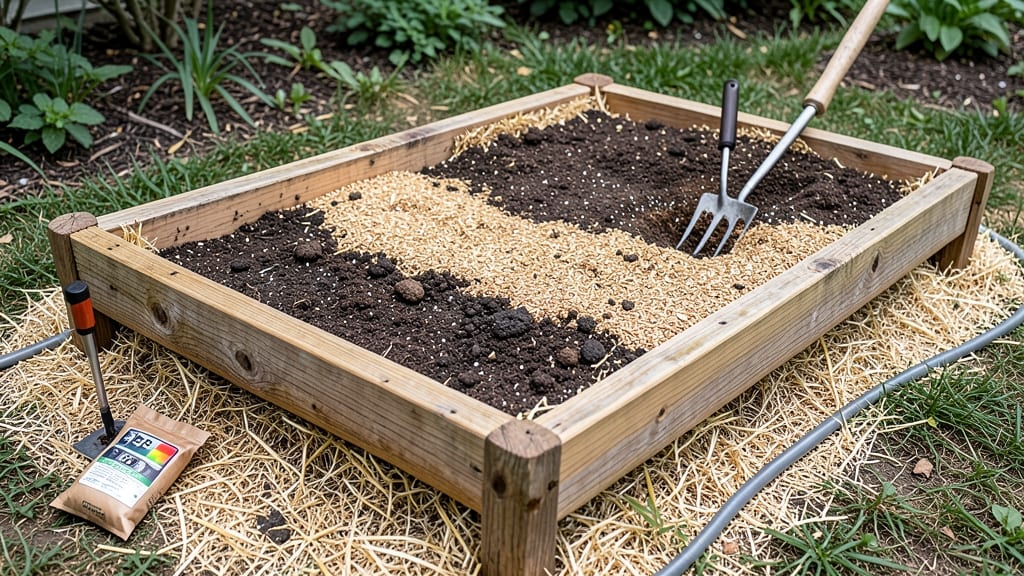
Your vegetable raised beds deserve loose, nutrient-rich soil that grows tomatoes twice as big and carrots that actually stay straight. ✨ The secret blend isn’t just dirt—it’s a science of aeration, fertility, and drainage that turns your bed into a high-performance growing machine.
Most store-bought mixes fail because they’re too dense or lack organic matter. My go-to recipe uses equal parts topsoil, compost, and coconut coir, with a handful of perlite to keep roots breathing.
This combo warms faster in spring, drains better than in-ground soil, and holds moisture without turning to mud. By the time you’re planting, your soil will be dark, crumbly, and teeming with microbes—the kind that make plants thrive.
No more struggling with compacted clay or sandy soil that washes nutrients away. Just pure growing power in every square foot. Works for any vegetable, from leafy greens to heavy feeders like corn. Let’s get those beds prepped for a harvest that’ll make your neighbors green with envy.
📚 In This Guide
- What you need
- Instructions
- Tips and common mistakes
- Wrapping up and next steps
What you need
- ● Topsoil (60%): 2-3 cubic feet per square foot of bed. Look for organic, well-draining topsoil with a pH of 6.0–7.0.
- ● Compost (30%): 1-2 cubic feet per square foot of bed. Use finished, aged compost (avoid fresh manure—it burns plants!).
- ● Perlite or Vermiculite (5-10%): 1 part per 10 parts soil mix. Improves aeration and drainage.
- ○ Peat Moss or Coconut Coir (optional but helpful): 1 part per 10 parts soil. Retains moisture without compacting.
- ● Balanced Fertilizer (5-10-5 or 10-10-10): 1-2 cups per 4 sq. ft. of bed. Adds essential nutrients like nitrogen, phosphorus, and potassium.
- ● Lime (if soil is acidic): 1 lb. per 100 sq. ft. to adjust pH if needed (test first!).
- ● Garden gloves (to protect your hands!)
- ● Wheelbarrow or large bucket (for mixing)
- ● Garden shovel or spade (for turning soil)
- ● Rake (to smooth and level the bed)
- ○ Soil pH test kit (optional but highly recommended)
- ● Watering can or hose (for moistening the mix)
- ● 🔥 Layer it right: Start with a 2-inch layer of compost at the bottom, then mix in topsoil and amendments.
- ● 🌡️ Moisten before planting: Water the soil blend until it’s damp like a wrung-out sponge—not soggy!
- ● ✨ Avoid cheap fillers: Skip sand or clay-heavy soil; they compact and suffocate roots.
Step-by-Step guide to building the perfect soil mix for vegetable raised beds
Here's how I create a loose, nutrient-packed blend that keeps roots happy and yields abundant harvests.
🌱 Step 1: Choose Your Base Materials
Start with a 50-60% mix of quality garden soil—this forms the foundation for your vegetables. I like to use a blend of topsoil and composted soil to ensure good drainage while retaining moisture. Avoid heavy clay soil, which compacts easily and suffocates roots.
For the remaining 30-40%, add aged compost or well-rotted manure. This introduces beneficial microbes and nutrients that vegetables crave. I sift mine through a ¼-inch mesh screen to remove large clumps—smooth, crumbly texture is key for root penetration.
🌿 Step 2: Add Organic Matter for Structure and Nutrition
Incorporate 20% coconut coir or peat moss to lighten the mix and improve aeration. This prevents soil from becoming too dense, which is especially important for root crops like carrots and potatoes. Mix it in thoroughly so it distributes evenly—no pockets of dry or soggy material.
For extra nutrition, add 10% worm castings or composted leaf mold. These boost microbial activity and provide slow-release nutrients. I like to sprinkle a handful of kelp meal (about 1 cup per 4 cubic feet) for trace minerals that vegetables need to thrive.
💧 Step 3: Test and Adjust Moisture Before Layering
Grab a handful of your mix and squeeze it gently. It should hold together but not be dripping wet—think of a damp sponge. If it crumbles, add a little water and mix again. If it stays clumpy, work in more coconut coir or compost to improve structure.
This is the moment to check for pH balance if you're particular. Most vegetables prefer a slightly acidic to neutral pH (6.0-7.0). If your soil tests higher, add sulfur or peat moss to lower it. For alkaline soils, work in pine needles or coffee grounds to acidify naturally.
☀️ Step 4: Layer and Build Your Raised Bed
Start with a 2-inch layer of coarse wood chips or straw at the bottom for drainage. This prevents waterlogging while allowing excess moisture to escape. Next, add 4-6 inches of your soil mix in even layers, tamping down lightly with your hands to remove air pockets.
Top with 1-2 inches of finished compost or mulch to lock in moisture and deter weeds. Water gently but thoroughly after each layer to help the soil settle. Avoid compacting it too much—roots need space to explore and grow.
✂️ Step 5: Maintain and Refresh Over Time
After planting, keep the soil moist but not soggy—stick your finger 1 inch deep to check. If it feels dry, water deeply. Over the growing season, top-dress with 1-2 inches of compost every 4-6 weeks to replenish nutrients without disturbing roots.
I also like to rotate crops annually to prevent nutrient depletion and disease buildup. If your bed starts looking tired after a season, mix in fresh compost and organic matter before replanting. This keeps your raised bed productive year after year.
Tips & tricks for perfect vegetable raised bed soil
Real talk: The difference between thriving vegetables and struggling plants often comes down to soil quality. Here's what I've learned after years of trial and error.
Texture is Everything: In Step 1, when mixing your 50-60% garden soil with 30-40% compost, aim for a crumbly texture that resembles cake crumbs—not sandy or muddy. I use my hands to gently squeeze the mix: if it holds together but breaks apart easily, you're golden. This texture ensures proper aeration and root penetration, which is especially critical for root vegetables like carrots and beets. If your mix feels too dense, add more coconut coir or peat moss from Step 2.
The Secret to Even Distribution: When incorporating the 20% coconut coir or peat moss in Step 2, don't just sprinkle it on top—fold it in with a garden fork or your hands until you can't see any distinct layers. I like to do this in batches of about 4 cubic feet to ensure thorough mixing. This prevents pockets of dry material that can stunt root growth. For the worm castings and kelp meal, I sprinkle them evenly over the entire mix first, then fold them in last to preserve their nutrients.
pH Testing Made Simple: If you're checking pH in Step 3, grab a small handful of your mix and add a few drops of water to make a paste. Use a pH meter or test kit to check the liquid—most vegetables prefer 6.0-7.0. I keep a small testing kit handy and test my mix before layering. For quick fixes, sulfur lowers pH while pine needles or coffee grounds raise it naturally. Remember, small adjustments make a big difference over time.
Layering Like a Pro: When building your raised bed in Step 4, I recommend working in thin layers—about 2 inches at a time—rather than dumping everything at once. This prevents compaction and allows you to adjust moisture and texture as you go. After adding each layer of your soil mix, give it a gentle tamp with your hands to remove air pockets, but don't pack it down too firmly. Think of it like fluffing a pillow—just enough to settle it without squashing it.
Pro Tips for Soil For Vegetable Raised Beds
- Real talk: The difference between thriving vegetables and struggling plants often comes down to soil quality.
- Texture is Everything: In Step 1, when mixing your 50-60% garden soil with 30-40% compost, aim for a crumbly texture that resembles cake crumbs—not sandy or muddy.
- The Secret to Even Distribution: When incorporating the 20% coconut coir or peat moss in Step 2, don't just sprinkle it on top—fold it in with a garden fork or your hands until you can't see any distinct layers.
Frequently asked questions
Got questions about the perfect soil mix for your vegetable raised beds?
You’re not alone! Here are answers to the most common concerns—so you can dig in with confidence.
What’s the best soil mix ratio for vegetable raised beds?
A balanced blend is key! Aim for 60% topsoil (for structure), 30% compost (for nutrients), and 10% perlite or vermiculite (for drainage). Adjust based on your soil’s natural texture—sandy soil needs more compost, while clay benefits from extra perlite. Pro tip: Test your soil’s pH (6.0–7.0 is ideal for most veggies) before mixing!
When is the best time to prepare the soil for raised beds?
Start 4–6 weeks before planting to let the soil settle and microbes get to work. For fall/winter crops (like kale or spinach), prep in early summer. If you’re planting in spring, mix soil in late winter—just avoid working wet soil to prevent compaction. Remember: Raised beds warm up faster than ground soil, so you can plant earlier!
Can I use garden soil alone, or do I need to buy specialty mixes?
Garden soil alone is not ideal—it’s often too dense or nutrient-poor. Mix it with compost, coconut coir, or aged manure to improve aeration and fertility. For convenience, pre-mixed raised bed soil (like those with worm castings) works well, but check labels—some lack organic matter. DIY is cheaper and customizable!
How do I keep pests out of my raised bed soil?
Prevention starts with healthy soil! Use composted materials (never fresh manure) to avoid attracting pests. Add a 1-inch layer of mulch (straw or wood chips) to deter burrowing insects. For slugs/snails, surround beds with copper tape or diatomaceous earth. Bonus: Plant pest-repelling herbs (like basil or marigolds) nearby!
What if my raised bed soil gets too hot in summer?
Raised beds can overheat, stressing plants. Mulch heavily with straw or leaves to insulate roots. Water deeply in the early morning to cool soil gradually. For extreme heat, try shade cloth (30–50% coverage) over delicate crops like lettuce. Watch for: Wilting leaves—this could signal heat stress or drought.
Wrapping up and next steps
Choosing the right soil for vegetable raised beds is the secret ingredient to a thriving garden! 🌱 A loose, nutrient-rich blend—like a mix of topsoil, compost, and organic matter—sets the stage for healthy plants and bountiful harvests.
With the right foundation, your veggies will flourish, and you’ll enjoy fresh, homegrown goodness all season long.
Ready to get started? Take the next step by gathering your materials, testing your soil, and building your raised beds. Happy gardening—your future harvests will thank you! 🌿