
How To
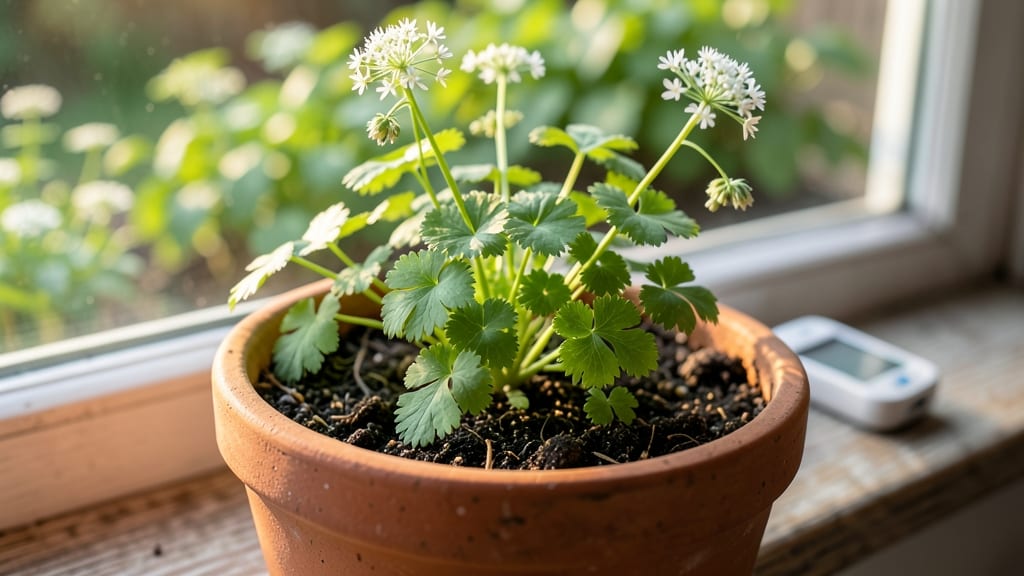
For cilantro to grow lush and bolt-resistant, it needs loose, well-draining soil packed with organic matter. A blend of 60% potting mix, 30% compost, and 10% perlite or coarse sand gives roots the aeration and nutrients they crave.
Cilantro's sensitive roots demand a soil environment that mimics its native Mediterranean conditions—lightweight yet nutrient-dense. 🌱 The loose texture prevents waterlogging, which triggers bolting (that bitter flowering stage), while organic matter feeds the plant steadily without overwhelming it.
I've found that adding worm castings boosts flavor intensity, and container growers should avoid heavy garden soil that compacts over time. Even a small pot benefits from this mix, as cilantro's shallow roots need room to spread horizontally rather than downward.
This soil approach works because it balances three critical factors: drainage (to prevent rot), aeration (for root respiration), and moisture retention (without sogginess). The perlite/sand component creates air pockets, while compost provides slow-release nitrogen—exactly what cilantro needs for tender, flavorful leaves.
For garden beds, work in 2-3 inches of this mixture before planting, and always water at soil level to keep foliage dry.
💡 In This Article
- Why Cilantro Soil Composition Prevents Bolting
- DIY Cilantro Soil Mix Recipes for Containers and Gardens
Why cilantro soil composition prevents bolting
Cilantro's dramatic response to soil conditions stems from its genetic memory of Mediterranean climates where it evolved. The plant detects two key stress signals that trigger bolting: root zone suffocation (from compacted soil or poor drainage) and nutrient starvation (when soil lacks organic matter).
When roots can't breathe properly, they release ethylene gas—a plant hormone that accelerates flowering. This is why cilantro grown in dense garden soil often bolts within 3-4 weeks, while container-grown cilantro in loose mixes can stay tender for 6-8 weeks.
The ideal soil's 30% organic matter (compost/worm castings) provides steady nitrogen without overwhelming the plant, which cilantro needs for leafy growth rather than flowering. Organic matter also improves soil structure by binding particles into aggregates, creating tiny air pockets that roots use for respiration.
Without this aeration, roots suffocate and send distress signals upward. The 10% perlite/sand component is equally critical—it prevents capillary action that keeps roots waterlogged, which triggers bolting through temperature stress (roots above 70°F become heat-sensitive).
Temperature sensitivity ties directly to soil moisture. Cilantro's native habitat experiences hot days and cool nights, so it evolved to bolt when roots experience consistent warmth—a signal that summer drought is coming. In heavy soil, roots stay cooler longer, delaying bolting temporarily, but the plant eventually senses the stress.
The loose mix we recommend mimics natural conditions by allowing roots to warm and cool rapidly, maintaining that delicate balance cilantro needs to stay in leaf production mode. 🌿 This is why cilantro grown in 50% sand mixes (common in coastal regions) often bolts faster—the extreme drainage creates temperature swings that confuse the plant's internal clock.
What most gardeners overlook is how soil pH interacts with these factors. Cilantro prefers slightly 6.2-6.8 pH, where nutrients like nitrogen and phosphorus become available. Heavy soils often have pH imbalances that lock out these nutrients, forcing cilantro to divert energy toward flowering rather than leaf growth.
The organic matter in our recommended mix acts as a natural pH buffer, keeping the environment stable. For container growers, this means fewer pH-related nutrient deficiencies that accelerate bolting. Even a 1-inch layer of compost on top of garden soil can create this buffer zone.
Here's the science behind why this works: cilantro's shallow root system (12-18 inches deep) needs constant access to oxygen and moisture. The loose texture prevents soil particles from pressing against roots, which would restrict growth.
In contrast, compacted soil creates anaerobic zones where roots can't absorb oxygen, leading to ethylene production. The perlite component adds 20-30% air space by volume, while compost provides 15-20% water-holding capacity—the perfect balance to keep roots hydrated without drowning them.
This dual function explains why cilantro grown in this mix stays tender longer than in standard potting soil.
For visual learners, imagine cilantro roots as tiny sponges that need to breathe. In heavy soil, they're like sponges pressed between books—they can't expand properly. In our recommended mix, they have room to spread horizontally (cilantro roots grow more sideways than downward), accessing nutrients and water efficiently.
This horizontal spread also explains why cilantro in containers needs wider pots (8-12 inches diameter) rather than deeper ones—roots prioritize surface area over depth when given the right soil conditions. 🌱