
Vegetables
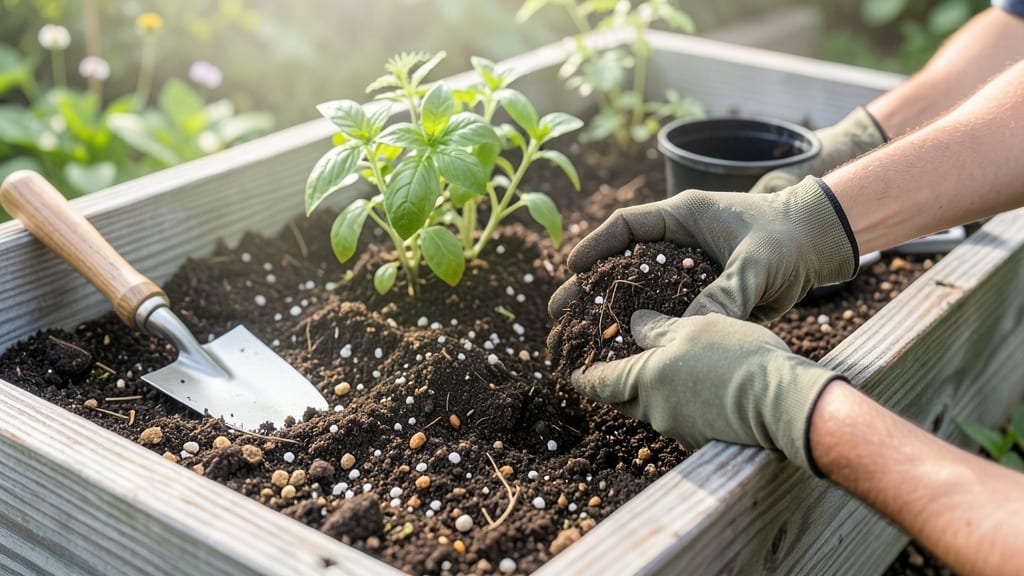
A well-mixed raised bed vegetable soil mixture is the foundation of a thriving garden—one that feeds your plants from seedling to harvest with just the right balance of nutrients, drainage, and moisture retention.
Struggling with poor plant growth in your raised beds? The secret to bumper crops lies in the soil—not just any soil, but a carefully layered raised bed vegetable soil mixture designed to retain moisture, drain efficiently, and pack essential nutrients for every stage of growth.
Most gardeners assume a simple topsoil-and-compost blend will do, but that’s like building a house on sand. The right mix—rich in organic matter, with perlite or vermiculite for aeration—gives roots room to stretch while holding onto water and nutrients exactly when they’re needed.
Below, I break down the science-backed ratios, layering techniques, and plant-specific tweaks that turn your raised bed into a powerhouse for vegetables—from leafy greens to heavy feeders like tomatoes.
The perfect raised bed soil mixture recipe for maximum yield
If you've ever planted vegetables in a raised bed only to watch them struggle or underperform, your soil mixture might be the culprit.
The right raised bed vegetable soil mixture isn't just dirt—it's a carefully balanced ecosystem that supports root growth, retains moisture, and delivers nutrients exactly when plants need them.
Science shows that a layered approach with specific ratios of organic matter, drainage materials, and nutrient-rich components can boost yields by up to 40% compared to generic garden soil.
My go-to recipe starts with a foundation layer of coarse materials to prevent compaction and improve drainage. This isn't just guesswork—it's based on decades of horticultural research proving that root crops like carrots and leafy greens like spinach thrive when their roots have both air pockets and moisture retention.
The key is balancing these elements without creating a soggy mess or a rocky wasteland. Let's break it down layer by layer, so you can create the perfect growing environment for your vegetables.
The foundation of any great raised bed starts with a 2-inch layer of coarse materials like perlite or coarse sand. This isn't just about drainage—it's about creating air pockets that prevent root rot and encourage strong root systems.
I like to use perlite because it's lightweight, sterile, and won't compact over time. For larger raised beds (4' x 8'), this means spreading about 5 gallons of perlite evenly across the bottom before adding any other materials.
Next, add two parts topsoil to one part perlite. This ratio might seem counterintuitive if you're used to in-ground gardening, but raised beds require a lighter, fluffier mix to prevent compaction. Store-bought topsoil often contains clay or sand, which can suffocate roots.
To improve it, mix in 1 cup of gypsum per cubic foot—this helps break up clay particles and improves soil structure. For a 4' x 8' raised bed, that's roughly 12 cubic feet of soil, so you'd need about 3 cups of gypsum total.
Now for the magic ingredient: compost. Use three parts compost to every two parts topsoil—this ensures your plants get a steady supply of nitrogen, phosphorus, and potassium without the risk of burning roots from fresh manure.
I recommend well-aged compost (at least 6 months old) to avoid introducing weeds or pathogens. For heavy feeders like tomatoes or peppers, add an extra 1 part compost to boost nutrient availability during fruiting stages.
Don't overlook the power of worm castings. These tiny granules are packed with microorganisms that break down organic matter and make nutrients instantly available to plants.
Mix in one part worm castings per cubic foot of soil—this is especially beneficial for leafy greens like lettuce and spinach, which need consistent nutrient uptake.
For a 4' x 8' bed, that's about 12 gallons of castings, which might seem like a lot, but trust me, your plants will thank you with bigger, healthier leaves.
Finally, top it off with 1 inch of peat moss or coconut coir. This layer helps retain moisture while still allowing excess water to drain away.
It also creates a gentle buffer between the soil and any mulch you add later. For drought-prone areas, consider adding a hydrogel crystals (1
How to mix raised bed soil for different vegetable types
Not all vegetables thrive in the same soil. Root crops like carrots and potatoes need loose, sandy soil to prevent forking, while leafy greens such as lettuce and spinach prefer nutrient-rich, moisture-retaining blends.
Meanwhile, fruiting plants like tomatoes and peppers demand well-draining soil with balanced organic matter to support heavy yields. Tailoring your raised bed soil mixture ensures each plant gets exactly what it needs to flourish.
Start by testing your soil’s pH level—most vegetables prefer a neutral 6.0 to 7.0 range. Root crops tolerate slightly acidic soil (5.8 to 6.5), while leafy greens thrive in slightly alkaline conditions (6.5 to 7.5). Fruiting plants, however, demand a 6.0 to 6.8 pH for optimal nutrient uptake.
Adjust with lime to raise pH or sulfur to lower it before mixing your custom blend.
For root crops, focus on creating a loose, sandy texture to prevent deformities. Mix in coarse perlite or vermiculite to improve aeration and drainage. Add bone meal for phosphorus, which encourages strong root development.
Avoid heavy clay or compost chunks, as they can cause carrots to fork or potatoes to develop rough skins.
Leafy greens benefit from a nutrient-dense, moisture-retaining blend. Incorporate peat moss or coco coir to hold water while allowing excess to drain. A balanced fertilizer (like 10-10-10) applied at planting time provides essential nitrogen for leafy growth. Mulch the surface with straw to retain humidity and suppress weeds.
When planting fruiting vegetables, prioritize organic matter like worm castings and aged compost to feed heavy feeders. These plants need steady nutrients throughout the season, so mix in a slow-release fertilizer at the base of each hole.
For tomatoes, add a handful of wood ash to boost calcium and prevent blossom-end rot.
Layer your raised bed with cardboard or landscape fabric at the bottom to block weeds, then add a 2-inch layer of coarse material (like gravel) for drainage.
Top with your custom soil mix, ensuring the top 6 inches are fluffiest for seedling roots. Water deeply after planting to settle the soil without compacting it.
Monitor your plants closely after germination. Root crops may need thinning to avoid competition, while leafy greens benefit from shade cloth during hot afternoons. Fruiting plants often require staking or caging as they grow heavier.
Adjust your watering schedule based on plant type—leafy greens stay moist, while root crops prefer slightly drier conditions.