
Pests
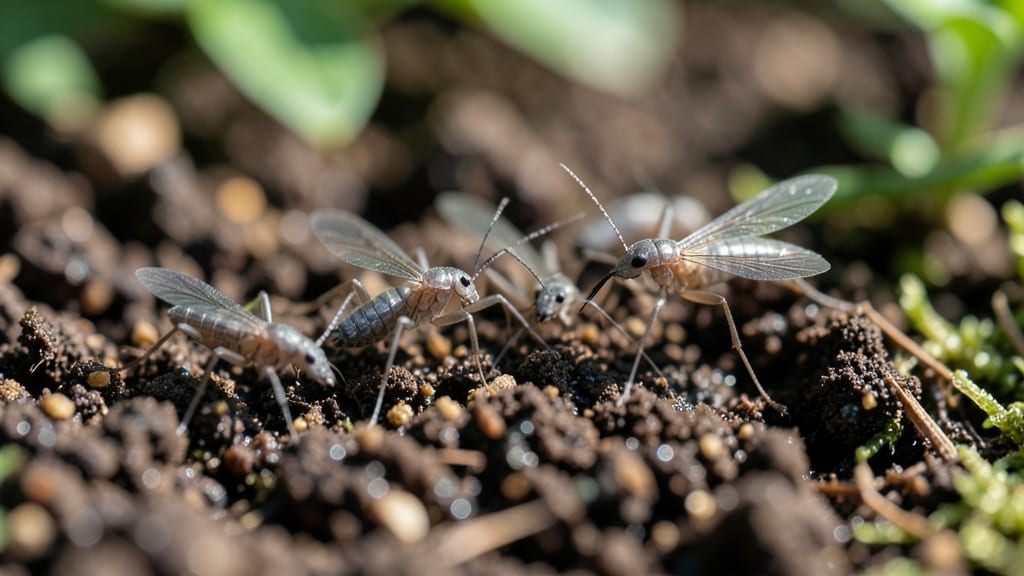
A new bag of potting soil has gnats, and your plants are under siege before they even start. 🌱 I’ve dealt with these tiny pests in every fresh mix I’ve bought, and the good news is you can stop them fast—without chemicals or panic.
These gnats thrive when soil stays too wet, so the first fix is simple: let the top inch dry between waterings. Add a handful of diatomaceous earth or sprinkle hydrogen peroxide (1 part to 4 parts water) to disrupt their life cycle.
Yellow sticky traps catch adults, but the real game-changer is beneficial nematodes, which hunt larvae underground.
Within 5-7 days, you’ll see gnat numbers drop dramatically. The soil stays safe for your seedlings, and your plants grow strong without hidden threats. No more wilted starts or frustrated gardeners—just clean soil and happy roots.
Works for seed-starting mixes, houseplants, or any fresh potting soil. Here’s how to make it work every time.
The Hidden Triggers Behind Gnats
If you’ve opened a fresh bag of potting soil and discovered tiny, buzzing gnats, you’re not alone—this is a surprisingly common issue for gardeners. But why does it happen? The answer lies in the soil’s composition, moisture levels, and even the way it’s stored.
Let’s break down the science-backed causes behind these unwanted visitors, so you can tackle them with confidence.
Fungus gnats (those pesky Sciaridae flies) thrive in soil rich in decomposing organic material. A new bag of potting soil often contains:
- Peat moss or coconut coir – These materials are excellent breeding grounds because they retain moisture and provide food for fungal growth, which gnat larvae feed on.
- Compost or aged bark – While beneficial for plants, these ingredients can harbor fungal spores and microbial activity that attract gnat eggs.
- Manure or worm castings – High in nitrogen, these accelerate decomposition, creating a buffet for gnat larvae.
💡 Pro Tip: If you’re repotting and notice gnats, check the soil mix’s ingredients. Blends labeled as "organic" or "slow-release fertilizer" are higher risk.
Gnat larvae need moisture to survive. A new bag of potting soil is often too damp—either from manufacturing or improper storage. Here’s why:
- Freshly mixed soil – Many commercial blends are pre-moistened to improve shelf appeal, but this can create the perfect humidity for gnat eggs to hatch within 3–7 days.
- Poor ventilation in storage – If the bag was left in a damp basement, garage, or near a water source, condensation can accelerate fungal growth and gnat reproduction.
- Overwatering after planting – Even if the soil was gnat-free when purchased, excessive watering keeps the top layer soggy, inviting adults to lay eggs.
🌡️ Key Stat: Gnat larvae die in dry conditions but can survive for weeks in soil with a moisture content above 30%. Use a moisture meter if you’re unsure!
Sometimes, gnats aren’t already in the soil—they’re invited in. Here’s how:
- Contaminated tools or pots – If you reused a pot, tray, or trowel from a previously infested plant, gnat eggs or larvae may have transferred to the fresh soil.
- Outdoor soil or compost – Mixing in garden soil, mulch, or homemade compost can introduce gnat eggs or fungal spores from the ground.
- Store-bought plants – Many nursery plants come with gnats hiding in their soil. When you repot, the pests spread to your new mix.
✨ Prevention Hack: Sterilize tools with rubbing alcohol (70% or higher) before use, and let new soil dry out for 24–48 hours before planting to kill any lurking eggs.
Gnat larvae don’t eat soil—they eat fungi. If your potting mix supports fungal growth, you’ll have a gnat infestation. Common culprits:
- Peat moss breakdown – As peat decomposes, it releases nutrients that fuel fungal colonies, which gnats target.
- Over-fertilization – High-nitrogen fertilizers (like fish emulsion) create a fungal feast, indirectly attracting gnats.
- Root rot or dead plant matter – If the soil contains decaying roots or old plant debris, fungal activity spikes, drawing gnats.
🔥 Quick Fix: Add a thin layer of sand or perlite to the soil surface to reduce fungal growth and disrupt the gnat life cycle.
Quick Fixes for Fungus Gnat Infestations
Fungus gnats are a common nuisance when you open a fresh bag of potting soil, but don’t let them take over your plants—or your patience! These tiny pests thrive in moist, organic soil, but with the right approach, you can eliminate them fast and keep them from coming back.
Below, we’ve mapped out practical solutions tailored to the root causes of the problem, from immediate eradication to long-term prevention.
🍳 Trap Them First: DIY Gnat Catches
Fungus gnats are drawn to moisture and light, making simple traps incredibly effective.
Here’s how to set them up in under 5 minutes: 1. Apple Cider Vinegar Trap 🍏 - Fill a small container (like a yogurt cup) with 1 inch of apple cider vinegar and a drop of dish soap. - Cover the top with plastic wrap and poke small holes in it. - Place near infected soil—gnats will fly in but won’t escape.
- Yellow Sticky Traps 🎯
- Hang yellow sticky cards (available at garden centers) near your plants.
- Gnats are attracted to the color and get trapped instantly.
- Water Trap with Soap 💦
- Fill a shallow dish with water and a few drops of dish soap.
- Gnats land on the water’s surface, get stuck, and drown.
✨ Pro Tip: Rotate traps every 2–3 days to keep them effective. Empty and refill as needed!
👨🍳 Soil Treatment: Dry Out & Disinfect
Gnats love damp soil, so reducing moisture is key to starving them out. Try these methods:
- Let the Soil Dry Between Waterings 🌡️
- Stick your finger 1 inch into the soil—if it’s damp, wait before watering again.
- Overwatering is the #1 reason gnats stick around.
- Add a Layer of Sand or Perlite ⚙️
- Mix coarse sand or perlite into the top inch of soil to improve drainage.
- This creates a gnat-unfriendly barrier while keeping roots hydrated.
- Use Hydrogen Peroxide (3%) 🧪
- Mix 1 part hydrogen peroxide with 4 parts water and water your plants with it.
- This kills larvae on contact without harming plants (use sparingly—too much can bleach soil).
- Beneficial Nematodes (Microscopic Allies) 🐛
- Order Steinernema feltiae nematodes online—they hunt gnat larvae naturally.
- Follow package instructions for application (usually mixed with water and poured onto soil).
🥘 Long-Term Prevention: Keep Gnats Away
Once you’ve eliminated the current infestation, prevent recurrence with these habits:
- Sterilize New Potting Soil 🔥
- Bake soil in the oven at 200°F for 30 minutes to kill eggs and larvae before use.
- Alternatively, freeze soil for 48 hours—cold temperatures disrupt gnat life cycles.
- Use Coconut Coir or Well-Draining Mixes 🌿
- Avoid peat-based soils (gnat magnets!) and opt for coconut coir, perlite, or vermiculite blends.
- These stay drier and resist fungal growth.
- Repot Plants in Clean Containers 🏺
- Wash pots with soapy water and rinse thoroughly before reuse.
- Disinfect with a 10% bleach solution (1 part bleach to 9 parts water) if heavily infested.
- Introduce Predatory Insects 🐞
- Roach beetles, daddy longlegs, or predatory mites eat gnat larvae.
- Buy them from garden centers or online for a chemical-free solution.
- Regularly Inspect & Maintain Soil 🔍
- Check soil moisture weekly—gnats return if conditions stay ideal.
- Remove topsoil and replace it with fresh, sterile mix every few months.
- Traps: Start seeing results in 24–48 hours.
- Soil treatments (H₂O₂, nematodes): 3–7 days to kill larvae.
- Prevention methods: Ongoing—gnats won’t return if you maintain dry, clean soil.
💡 Final Reminder: Consistency is key! Combine trapping, soil adjustments, and prevention for the best results. With these steps, your plants—and your peace of mind—will stay gnat-free!
Frequently asked questions
Why do gnats appear in a brand-new bag of potting soil?
New soil often contains organic matter like peat moss, coconut coir, or compost that attracts fungal growth—gnat larvae feed on this fungi. Manufacturers sometimes add moisture to improve shelf appeal, creating the perfect breeding environment. Even sealed bags can develop gnats if stored in damp conditions.
Are these gnats harmful to my plants?
Adult gnats don't damage plants, but their larvae can cause problems by feeding on roots, especially in seedlings. While they won't kill mature plants, heavy infestations may stunt growth or create conditions for root rot. The real danger is fungal growth that accompanies gnat activity.
How quickly can I expect to see results from treatments?
DIY traps like vinegar or sticky cards show results in 24-48 hours by catching adults. Soil treatments like hydrogen peroxide or nematodes take 3-7 days to eliminate larvae. For best results, combine methods—traps to catch adults while soil treatments target larvae.
Can I still use soil with gnats if I bake it first?
Yes! Baking soil at 200°F for 30 minutes kills eggs and larvae. Just let it cool completely before using. This sterilization method works for both new soil and infested mixes. For large quantities, freezing soil for 48 hours is another effective alternative.
What's the best long-term prevention for gnat-free soil?
Use well-draining mixes with perlite or sand, avoid overwatering, and consider coconut coir blends instead of peat. Sterilize new soil before use, and introduce beneficial predators like nematodes. Regularly inspect soil moisture—gnats thrive when soil stays damp for extended periods.