
How To
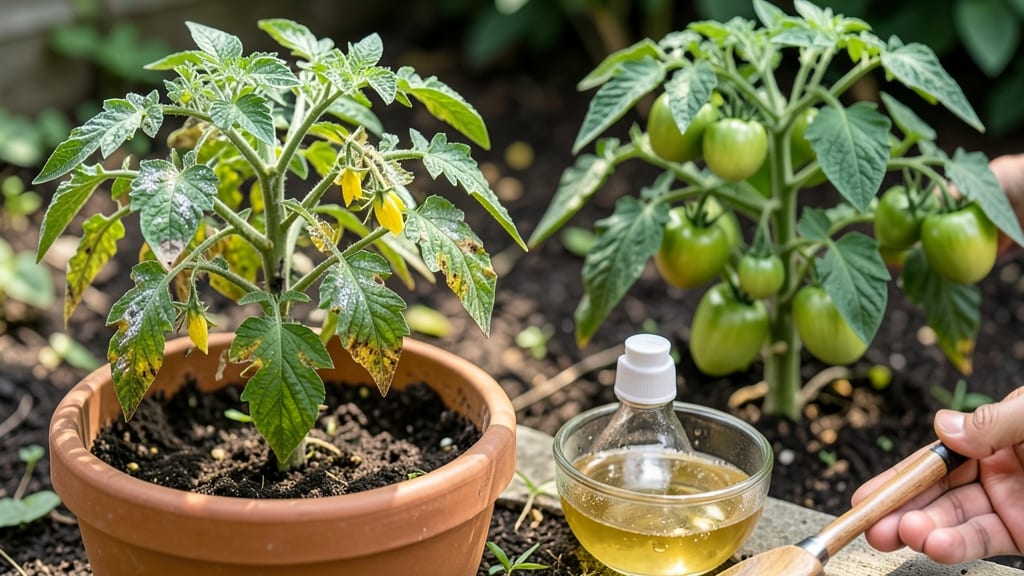
Natural soil fungicides prevent fungal diseases in plants using safe, household-based formulas like neem oil, baking soda, or garlic. These organic treatments eliminate pathogens while protecting beneficial soil organisms and pollinators.
Fungal diseases like powdery mildew or root rot can devastate gardens, but commercial fungicides often contain harsh chemicals that disrupt soil ecosystems. 🌱 The beauty of natural soil fungicides is their dual action—they target harmful fungi while nourishing the microbial life that keeps your plants thriving.
For example, neem oil works by disrupting fungal cell membranes, while garlic releases allicin, a compound that effectively kills spores without leaving toxic residues.
Even simple ingredients like baking soda (mixed with water) create an alkaline environment that fungi can't tolerate, all while being completely safe for your garden's food chain.
What sets these solutions apart is their adaptability. You can customize recipes based on your specific fungal threats—whether it's a foliar spray for above-ground issues or a soil drench for root problems. The key is consistency: applying treatments preventatively (every 2-4 weeks) gives your plants the best protection.
I've found that combining two or three methods—like using compost tea for soil health and neem oil for prevention—creates a powerful, synergistic defense system that outperforms single-ingredient solutions.
💡 In This Article
- How Neem Oil and Garlic Kill Fungal Pathogens
- 5 Easy DIY Fungicide Recipes With Exact Mix Ratios
How neem oil and garlic kill fungal pathogens
Neem oil's antifungal power comes from its triterpenoid compounds, particularly nimbin and gedunin, which act like microscopic disruptors. These compounds insert themselves into fungal cell membranes, creating pores that cause electrolytes to leak out—a process called membrane destabilization.
At concentrations as low as 1-2% (1-2 teaspoons per quart of water), neem oil can inhibit up to 90% of fungal spores within 24 hours.
The oil also contains fatty acids that smother fungal growth by coating spores and preventing germination, much like how a raincoat keeps you dry in a downpour.
Garlic's magic lies in allicin, a sulfur-containing compound formed when garlic cloves are crushed or chopped. When mixed with water (as in a garlic spray), allicin releases hydrogen sulfide gas, which penetrates fungal cell walls and disrupts their metabolic processes.
Studies show that garlic extracts can reduce fungal populations by 70-85% when applied at 10-15 grams of crushed garlic per liter of water.
The sulfur compounds also stimulate beneficial soil microbes, creating a balanced ecosystem that naturally resists fungal overgrowth. 🌱 Unlike chemical fungicides, garlic's effects are temporary but highly effective when used preventatively.
Hydrogen peroxide works through a different mechanism—oxidative stress. When diluted to 3% (3 tablespoons per gallon of water), hydrogen peroxide breaks down into water and oxygen, releasing free oxygen radicals that destroy fungal cell structures.
These radicals are particularly effective against root rot pathogens because they penetrate soil particles and create an oxygen-rich zone that fungi can't survive in. The beauty of hydrogen peroxide is its dual action: it kills pathogens while also aerating compacted soil, which improves root health.
What makes these ingredients so special is their selectivity. Unlike broad-spectrum chemical fungicides that kill everything—including beneficial microbes—they target specific fungal weaknesses. For example, neem oil's triterpenoids bind to fungal sterols (similar to cholesterol in animals), which human and plant cells don't have.
This precision means your soil's microbial community remains intact, maintaining the natural balance that keeps plants healthy. Even compost tea, made from aerobic compost steeped in water, introduces beneficial microbes that outcompete pathogens for nutrients and space.
Temperature plays a crucial role in effectiveness. Neem oil works best when applied to foliage at 60-80°F, as cooler temperatures slow down its evaporation rate, giving it more time to act.
Garlic sprays are most potent when used during warm, humid conditions (ideal for powdery mildew prevention), while hydrogen peroxide solutions should be applied when soil temperatures are above 50°F to avoid shocking plant roots.
The pH of your soil also matters—fungi thrive in acidic conditions (pH <6), so adding baking soda (which raises pH) can create an inhospitable environment for many pathogens.
For maximum results, combine methods. I've found that a two-step approach—first applying a neem oil spray to leaves, then watering with garlic-infused compost tea—creates a protective barrier that fungal spores can't penetrate.
The key is consistency: applying treatments every 2-4 weeks during growing seasons builds a protective shield that's far more effective than reactive measures. This approach doesn't just kill existing fungi; it prevents future outbreaks by maintaining a healthy, balanced soil ecosystem. 🌿