
Advice
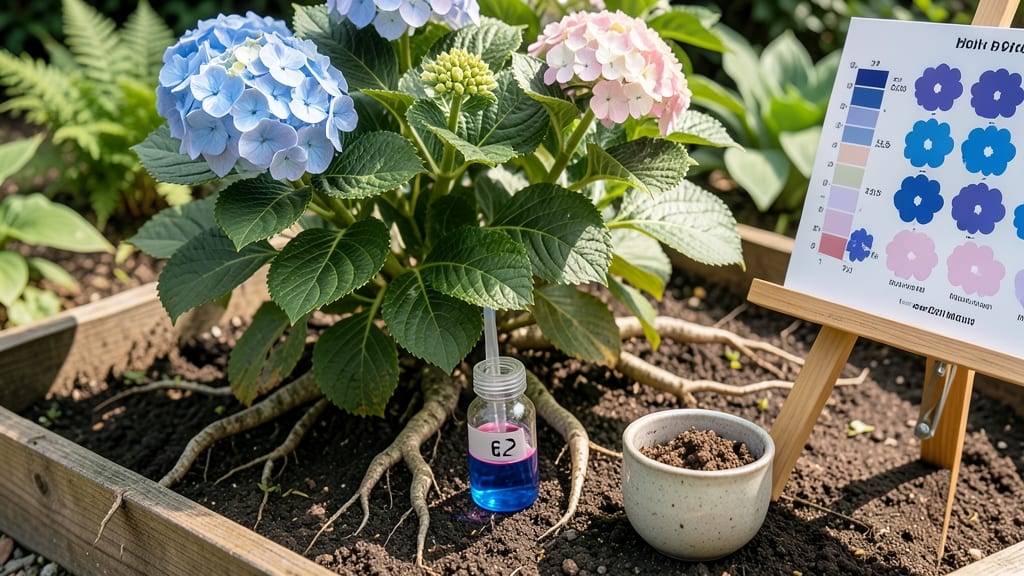
Hydrangea color shifts dramatically with soil pH: acidic soil (pH 5.0-5.5) produces vibrant blues, neutral soil (pH 6.0-6.5) yields soft pinks, and alkaline soil (pH 7.0+) creates bold reds or purples. Testing soil pH is key to controlling flower hues accurately.
This isn't just a quirky garden trick—it's science! The pH level alters how hydrangeas produce pigments, with aluminum availability playing a starring role. 🌸 In acidic soil, blue hues dominate because aluminum becomes soluble, activating delphinidin pigments.
When soil turns neutral, those blues fade to pink as aluminum binds to other compounds, masking the blue pigments. For reds and purples, alkaline conditions suppress blue entirely while enhancing anthocyanins.
Want to experiment? Start with a simple DIY test: mix equal parts water and vinegar, then add a spoonful of soil. Bubbles mean alkaline soil—perfect for reds. No reaction but a cloudy mix? You're likely in neutral territory.
For precise adjustments, sulfur lowers pH (for blues) while crushed eggshells or wood ash raise it (for reds). Timing matters too—amend soil in early spring before new growth begins.
💡 In This Article
- How Soil pH Directly Affects Hydrangea Flower Pigments
- Step-by-Step Guide to Testing and Adjusting Soil pH for Hydrangeas
How soil pH directly affects hydrangea flower pigments
The magic behind hydrangea color changes lies in their flower pigments and soil chemistry. Two key pigments drive the spectrum: delphinidin (blue) and anthocyanins (red/purple). In acidic soil (pH 5.0-5.5), aluminum becomes soluble, activating delphinidin to produce vibrant blues like 'Nikko Blue' hydrangeas.
This chemical reaction occurs because aluminum ions bind to pigment molecules, stabilizing their blue form. 🔬
At neutral pH (6.0-6.5), aluminum binds to other soil compounds, leaving delphinidin pigments inactive. This creates pink flowers because the plant's natural anthocyanins—always present—become visible without blue interference. For example, 'Endless Summer' hydrangeas shift from pink to blue when soil pH drops below 6.0.
In alkaline soil (pH 7.0+), aluminum precipitates out completely, allowing anthocyanins to dominate, producing bold reds or purples like 'Limelight' varieties.
This process isn't just about pigment visibility—it's a biochemical puzzle. The plant's pH sensors trigger different genetic pathways. In acidic conditions, genes for aluminum tolerance activate alongside blue pigment production pathways.
Meanwhile, alkaline conditions suppress these pathways while upregulating anthocyanin synthesis. Think of it like a molecular light switch controlled by your soil's acidity! 🌱
What most gardeners don't realize is that hydrangea color changes happen at the cellular level. The pigments are produced in the flower's epidermal cells, where pH-sensitive enzymes either activate or inhibit pigment formation. This is why color changes appear uniform across entire blooms—each cell responds to the same soil conditions.
The aluminum connection is particularly fascinating: without sufficient soluble aluminum, even acid-loving blue varieties will produce muted pinks.
For practical application, consider this: 'Annabelle' hydrangeas (always white) don't change color because they lack delphinidin entirely. Their white flowers result from a different pigment pathway that's pH-insensitive. This makes them perfect test subjects for understanding how pH affects other hydrangea varieties.
The key takeaway? Soil chemistry doesn't just influence color—it fundamentally alters which pigments your hydrangeas can even produce at the genetic level.
One common misconception is that all hydrangeas respond equally to pH changes. In reality, some varieties like 'Oakleaf' hydrangeas show more dramatic shifts than others. This variation occurs because different cultivars have been bred to optimize pigment production under specific pH conditions.
For instance, 'Cityline Paris' produces reliable red flowers even in slightly acidic soil because its anthocyanin pathways are particularly robust. 🌸