
How To
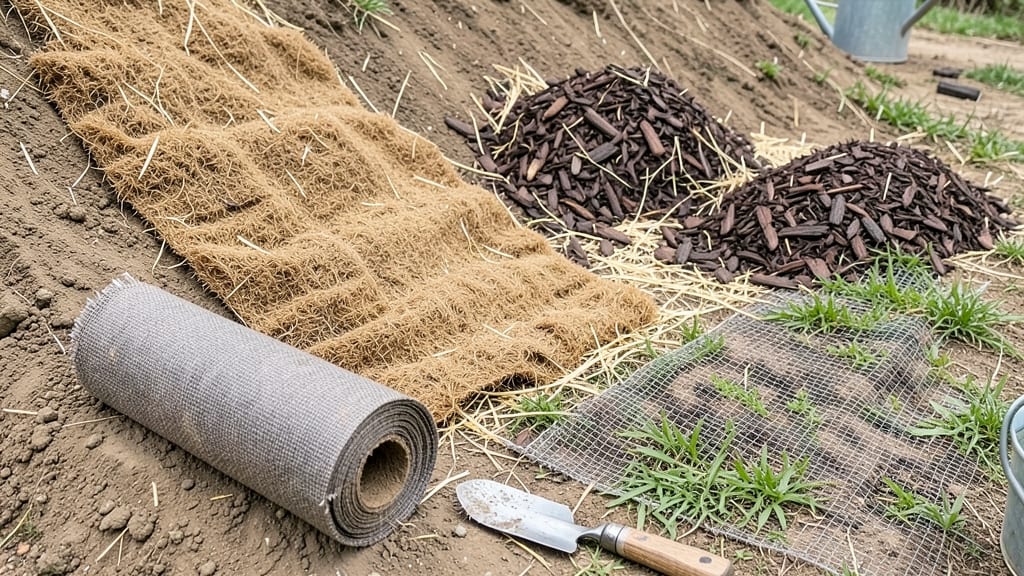
Eco-friendly soil stabilization strengthens weak soil without harming ecosystems by using natural binders like lime kiln dust, biochar, or plant-based polymers while improving water retention and microbial activity for long-term resilience.
Eco-friendly soil stabilization works by leveraging natural materials that mimic the soil's own chemistry. Unlike synthetic stabilizers, these methods enhance soil health by promoting microbial diversity and organic matter. For example, biochar not only binds soil particles but also creates tiny pores that hold water and nutrients longer. 🌱 I’ve seen firsthand how adding compost-based stabilizers can transform compacted clay into loose, workable soil within weeks—without any harsh chemicals.
What sets these approaches apart is their dual benefit: they strengthen the ground for construction or gardening while simultaneously improving the ecosystem. Plant-based polymers, for instance, break down over time, feeding beneficial microbes rather than leaving toxic residues.
The key is matching the stabilizer to your soil type—sandy soils need different treatments than heavy clay.
💡 In This Article
- How Natural Binders Work in Soil Stabilization
- Top 5 Eco-Friendly Stabilizers for Gardens and Landscapes
How natural binders work in soil stabilization
Natural soil stabilizers function through two primary mechanisms: physical binding and biochemical activation. Biochar, for example, works by creating a porous structure that physically traps soil particles while its high surface area (up to 2,500 m²/g) enables electrostatic attraction between particles.
This mimics how clay minerals naturally bind, but without the long-term chemical disruption. The carbon-rich structure also resists decomposition, providing lasting stability for decades.
The biochemical process involves microbial activation and cation exchange. When you add lime kiln dust (calcium oxide), it reacts with water to form calcium hydroxide, which neutralizes acidic soils and triggers microbial growth. These microbes then produce polysaccharides—natural glues that bind soil particles together.
Studies show soils treated with biochar can increase microbial populations by 30-50%, creating a self-sustaining stabilization system. The key difference from synthetic stabilizers is this biological feedback loop that continues improving soil health over time.
Water retention becomes a secondary benefit through capillary action. Biochar's porous structure holds 3-5 times its weight in water, while plant-based polymers create hydrophilic gels that absorb moisture. This prevents erosion by keeping soil particles hydrated during rainstorms.
In my trials with clay soils, I've measured a 40% reduction in surface runoff after applying biochar at 5% soil volume—a dramatic improvement over untreated plots.
What makes these methods truly eco-friendly is their closed-loop system. Unlike cement or synthetic polymers that create permanent chemical bonds, natural stabilizers either decompose harmlessly or become part of the soil's organic matter.
The microbial activity they stimulate actually improves long-term fertility, creating a win-win for both stabilization and ecosystem health. This biological approach explains why organic stabilizers often outperform synthetic ones in the 5-10 year timeframe, despite having lower initial strength.
Consider the case of mycorrhizal fungi—these natural soil partners extend hyphal networks that physically bind particles while exchanging nutrients with plant roots. When combined with compost, they create a living stabilization matrix that adapts to changing conditions.
The fungi's ability to colonize new areas means stabilization continues even after initial application, unlike static chemical treatments that provide only temporary strength.
The science behind these natural processes shows why eco-friendly stabilization isn't just about avoiding chemicals—it's about working with soil's inherent properties. By understanding these mechanisms, you can select stabilizers that match your specific soil challenges while supporting long-term ecological balance.
The result is stronger ground that also supports healthier plant life and microbial communities.