Tools
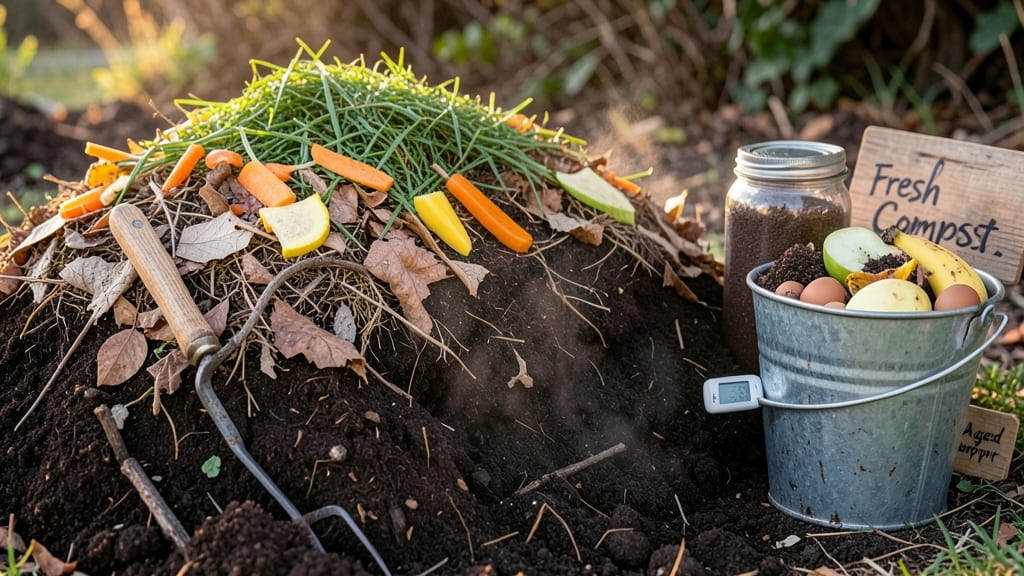
Garden soil does go bad over time, losing nutrients, structure, and microbial life after 6–12 months of storage, especially when exposed to moisture or extreme temperatures. Fresh soil promotes healthier plant growth and stronger disease resistance.
Stored garden soil doesn't stay at its best forever—organic matter breaks down, beneficial microbes die off, and nutrients leach away when exposed to air or temperature swings. 🌱 I've seen bags of soil turn compacted and lifeless after just a year, especially if kept in damp basements or hot garages.
The key is proper storage: keep it dry, in a sealed container, and out of direct sunlight to slow decomposition.
Even "fresh" soil can degrade quickly if not handled right. For example, a 6-month-old bag might still look fine but could lack the microbial activity needed for optimal plant health.
That's why I always test soil before use—simple pH strips or a quick smell test (foul odors mean trouble) can reveal whether it's still viable.
💡 In This Article
- How Soil Degrades Over Time: Nutrients, Microbes, and Texture Loss
- Signs Your Garden Soil Has Gone Bad and How to Revive It
How soil degrades over time: nutrients, microbes, and texture loss
Soil degradation starts with the breakdown of organic matter—the lifeblood of healthy dirt. Composted materials like leaf litter or manure contain complex carbon compounds that microbes slowly decompose into simpler nutrients.
Over 6-12 months, this process accelerates when soil sits exposed to air, losing 30-50% of its nitrogen content through volatilization. The microbes that make nutrients available to plants also decline, sometimes by 70% in improperly stored soil, leaving plants starved for essential elements like phosphorus and potassium.
Temperature swings and moisture create the perfect storm for spoilage. Soil stored above 80°F or below 40°F sees microbial activity slow dramatically, while damp conditions trigger anaerobic bacteria that produce foul-smelling compounds like hydrogen sulfide.
I've noticed stored soil develops a musty odor when moisture levels exceed 30%—a clear sign microbial balance is collapsing. The physical structure also suffers as organic matter oxidizes, turning loose, crumbly soil into dense, cloddy material that roots can't penetrate.
Nutrient leaching is another silent killer. Rainwater or condensation percolating through stored soil washes away soluble minerals like calcium and magnesium, which are critical for plant cell walls. After 12 months, leached soil may lose 20-40% of its original fertility.
The texture becomes harder and more compacted, resembling dried clay rather than the fluffy medium new soil provides. This structural collapse is why plants grown in old soil often show stunted growth or yellowing leaves—a classic sign of nutrient deficiency.
Light exposure accelerates these problems by promoting algae growth on the surface, which competes with beneficial microbes. I've seen bags of soil develop greenish films after just 3 months in bright storage. These algae create a barrier that blocks water and air penetration, further suffocating the soil's microbial ecosystem.
The combination of heat, light, and moisture creates a feedback loop where each factor amplifies the others, turning once-fertile soil into a less-than-ideal growing medium.
Even when stored properly in sealed containers, soil gradually loses its vitality. The decomposition process continues at a slower rate, and beneficial fungi like mycorrhizae—critical for root health—can die off within 6 months without fresh organic inputs.
The result is soil that looks fine but lacks the biological activity needed for optimal plant performance. This is why gardeners often see better results with fresh soil, even if it costs more.
Consider this comparison: Fresh soil might contain 10,000-100,000 microbes per gram, while soil stored for 12 months could drop to 1,000-10,000. That microbial population difference directly impacts plant health, with fresh soil supporting stronger root systems and better disease resistance.
The texture difference is equally dramatic—new soil has a 30-50% air pore space, while degraded soil may fall to 10-20%, restricting root growth.
The bottom line? Soil isn't like flour or sugar that stays perfectly preserved. It's a living ecosystem that requires care to maintain its quality. Proper storage—cool, dry, and dark—can extend usable life, but even then, soil will eventually need revitalization.
That's why understanding these degradation processes helps gardeners make informed decisions about when to refresh their growing medium. 🌱