
Advice
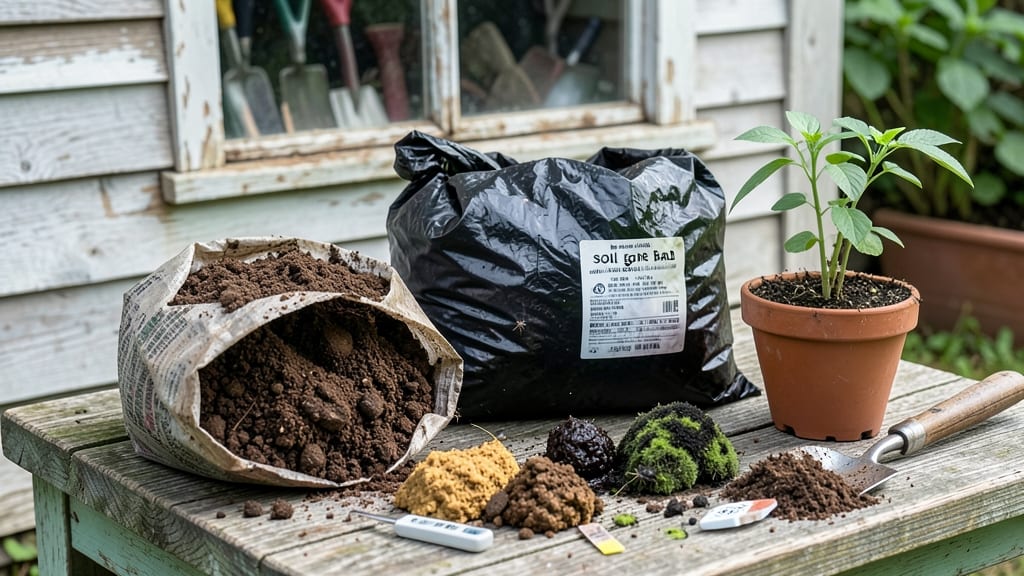
Yes, bagged soil can go bad over time, losing nutrients and developing mold or bacteria if exposed to moisture or left unsealed for over 6–12 months, especially in damp conditions. Check for clumps, foul odors, or pest activity before use.
Bagged soil doesn't last forever—especially when stored improperly. 🌱 Over time, exposure to moisture and air breaks down its structure, causing nutrient loss and creating the perfect environment for mold and bacteria.
I always check for visual cues like hardened clumps or strange smells before using stored soil, as these often signal spoilage. Even if it looks fine, soil older than a year may not provide the same growing power as fresh bags.
Proper storage makes all the difference. Keeping bags sealed in dry, cool areas and using moisture barriers can extend their usable life significantly. 💫 The key is treating your soil like you would any other garden supply—with care and attention to its environment.
💡 In This Article
- How to Spot Bad Bagged Soil Before Planting
- Best Storage Tips to Extend Bagged Soil Freshness
How to spot bad bagged soil before planting
Bagged soil degrades through microbial activity and oxidation, which breaks down organic matter. Over time, beneficial microbes die off while harmful ones—like mold spores—thrive in damp conditions.
You'll notice this first through visual changes: fresh soil has a loose, crumbly texture, while spoiled soil forms hardened clumps that resist breaking apart. These clumps indicate excess moisture or fungal growth, which can suffocate plant roots and block water absorption.
Another red flag is unpleasant odors. Fresh soil smells earthy, but spoiled soil often emits a musty or sour stench from bacterial fermentation. 🌱 In extreme cases, you might detect ammonia-like smells, signaling nitrogen breakdown—a critical nutrient for plants.
Even worse, insect activity (like gnats or mites) confirms organic decay. These pests lay eggs in decomposing matter, and their presence means your soil is no longer sterile or nutrient-rich.
Nutrient loss is less obvious but equally damaging. Soil older than 12 months often shows depleted nitrogen, phosphorus, and potassium levels—key for plant growth. A simple test is to check the color: fresh soil is dark brown or black, while nutrient-depleted soil appears lighter, almost grayish.
This change happens because organic matter decomposes into simpler compounds, losing its fertility.
Mold growth is the most obvious (and dangerous) sign. Fuzzy green, black, or white spots on the soil surface mean fungal spores are active. These molds can infect plants directly, causing root rot or leaf blight.
Even if mold isn’t visible, a damp, clinging texture suggests hidden fungal activity. Always discard soil with visible mold—it’s not salvageable for planting.
One often-overlooked clue is pH imbalance. Spoiled soil may test abnormally acidic or alkaline, which stunts plant growth. Use a soil test kit to check pH—values outside 6.0–7.0 indicate degradation.
This imbalance occurs as organic acids build up during decomposition, altering the soil’s chemistry. 💫 Plants struggle to absorb nutrients in these conditions, leading to yellowing leaves or stunted growth.
For a quick at-home test, mix a spoonful of soil with water in a jar. Shake vigorously and let it settle. Fresh soil will have clear water with minimal sediment, while spoiled soil produces cloudy water with visible particles or a slimy residue.
This "jar test" reveals excess salts or organic breakdown products, both signs of spoilage.