
How To
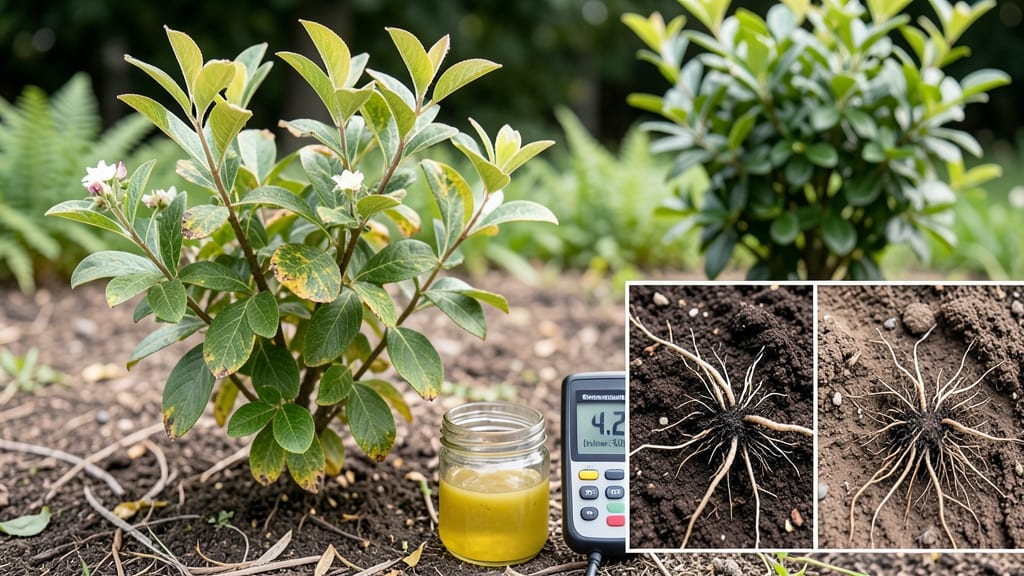
Acidic soil symptoms include yellowing leaves, stunted plant growth, and nutrient deficiencies like chlorosis (iron deficiency) or brown leaf tips, often affecting acid-loving plants like azaleas or blueberries while harming others like tomatoes or lettuce.
Recognizing these signs early can save your garden. 🌱 Acidic soil (pH below 6.5) disrupts nutrient absorption, especially iron and phosphorus, leading to those telltale yellow patches or crispy edges. The problem worsens when aluminum toxicity builds up—common in overly acidic conditions—causing roots to struggle even when leaves look fine.
I’ve seen blueberries thrive in the same soil where tomatoes refuse to set fruit, proving pH balance is everything. Testing your soil with a simple kit (available at garden centers) reveals the exact adjustments needed, whether it’s adding crushed limestone or organic matter like composted leaves.
For acid-loving plants like rhododendrons, the symptoms might be subtle at first—just a slight yellowing between veins—but left unchecked, they’ll wilt or drop leaves entirely. 💛 The key is acting before plants show severe distress, since correcting extreme pH takes time.
Even a small pH shift (like from 5.0 to 6.0) can make a dramatic difference in growth and yield.
💡 In This Article
- How Soil pH Affects Plant Health and Nutrient Uptake
- Diagnosing and Fixing Acidic Soil Issues in Gardens
How soil pH affects plant health and nutrient uptake
Soil pH directly controls which nutrients plants can absorb, and when it drops below 6.5, the chemistry shifts dramatically. At low pH levels, aluminum and manganese become more soluble, which can be toxic to plant roots—even in small amounts.
These metals disrupt cellular functions, causing roots to brown and rot while leaves show signs of distress above ground. 🌱 The problem isn't just the absence of nutrients like iron or phosphorus, but how the acidic environment locks them out of the plant's reach.
Take phosphorus, for example: it binds tightly to iron and aluminum in acidic soil, forming insoluble compounds that plants can't access. This creates a phosphorus lockout, where the soil might have plenty of phosphorus but the plant starves.
Iron deficiency (chlorosis) becomes visible as yellowing between leaf veins because the plant can't take up enough iron despite it being present. Meanwhile, manganese toxicity can develop, causing brown spots on leaves—a classic sign of imbalance.
Microbial activity also suffers in acidic soil. Beneficial bacteria and fungi that help break down organic matter and fix nitrogen become less active below pH 6.0. This slows nutrient cycling, leaving plants malnourished even if the soil appears fertile. The result?
Stunted growth, weak stems, and reduced flowering or fruiting. 💛 Acid-loving plants like blueberries and azaleas thrive in this environment because they've evolved to handle these conditions, but most vegetables and fruits (like tomatoes or peppers) struggle when pH drops too low.
Here's how it plays out in real gardens: I've seen tomato plants with beautiful green leaves but no fruit because the acidic soil prevented proper calcium uptake, while nearby blueberry bushes flourished.
The same soil could support both if the pH were adjusted—proving that symptoms aren't just about the plant, but the entire soil ecosystem.
Even the texture of the soil changes with pH. Acidic conditions can make clay particles disperse more, creating a dense, compacted layer that roots can't penetrate. This worsens water drainage and oxygen availability, further stressing plants.
The visual clues—like crispy brown leaf edges or purplish stems—are your garden's way of screaming for help before the damage becomes permanent.
What most gardeners miss is that symptoms vary by plant type. For instance, rhododendrons might show yellowing only on older leaves, while hydrangeas develop blue flowers in acidic soil but pink when pH rises.
These visual cues are your first line of defense in diagnosing the problem before it spreads. 💡