
Propagation
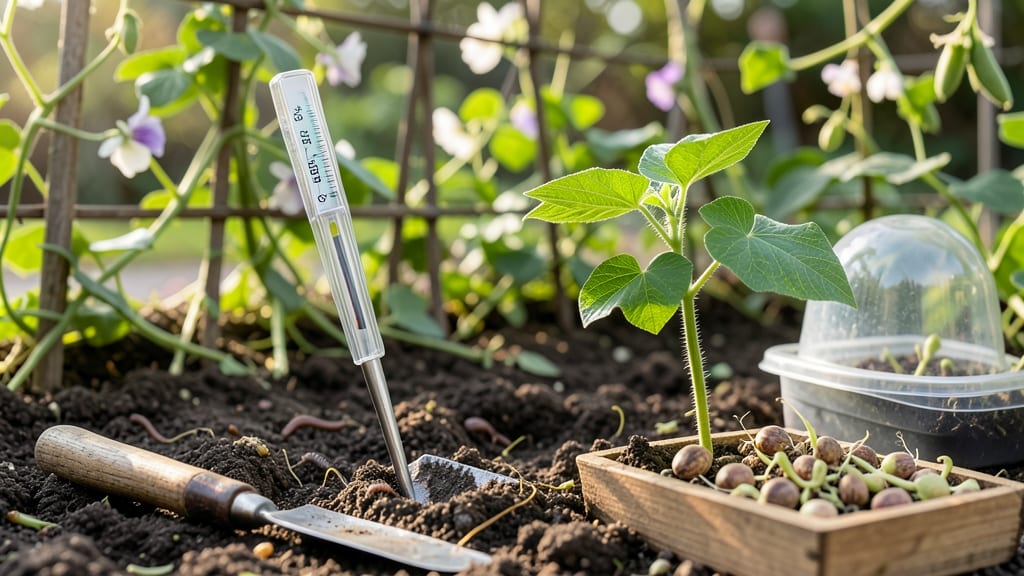
Getting bean seeds to sprout fast depends on the soil temperature for bean germination — aim for 60–85°F (15–29°C) to avoid the frustration of slow starts or total failure.
Struggling with slow or failed bean germination? The secret might be hiding in your soil temperature — getting it right can mean the difference between a thriving garden and wasted seeds. Too cold, and your seeds sit dormant; too hot, and they rot before sprouting.
In USDA Zone 6a, where spring can be unpredictable, waiting until the soil warms to at least 60°F (15°C) after the last frost (usually mid-April) is key. But even then, a sudden cold snap can derail your plans if you’re not prepared.
Below, I’ll walk you through how to test your soil temperature, adjust it for faster sprouting, and troubleshoot common mistakes that keep beans from germinating — so you can go from seed to 🌱 in record time.
Optimal soil temperature ranges for bean seed germination
If you've ever planted bean seeds only to watch them sit stubbornly in the soil for weeks without sprouting, soil temperature is likely the culprit. Beans are sensitive to cold soil, and even a few degrees below their ideal range can delay germination by days or weeks.
Understanding the perfect soil temperature for bean germination is the first step to a bountiful harvest—whether you're growing pole beans, bush beans, or runner beans.
Most bean varieties thrive when soil temperatures hover between 60–85°F (15–29°C), but not all beans are created equal. Runner beans, for example, prefer the warmer end of this spectrum, while bush beans can tolerate slightly cooler conditions.
Getting this balance right ensures your seeds sprout quickly—often within 7–14 days—rather than languishing in the dirt.
Here’s the breakdown of ideal soil temperatures for each bean type, along with how temperature affects germination speed and success:
| Bean Type | Optimal Soil Temp (°F/°C) | Germination Time | Notes |
|---|---|---|---|
| Bush Beans | 60–75°F (15–24°C) | 7–14 days | Tolerates cooler soil; plant when soil reaches 60°F. |
| Pole Beans | 65–80°F (18–27°C) | 10–14 days | Prefers warmer soil; avoid planting until 65°F. |
| Runner Beans | 70–85°F (21–29°C) | 10–21 days | Needs warmest soil; wait until 70°F+ for best results. |
| All Beans (Cold Soil) | Below 50°F (10°C) | No germination | Danger zone: Seeds rot or fail to sprout. |
| All Beans (Ideal Warmth) | 75–85°F (24–29°C) | 5–10 days | Fastest sprouting; use row covers or black plastic mulch. |
Temperature isn’t just about whether your seeds germinate at all—it also controls how quickly they sprout. For example, pole beans planted in 75°F (24°C) soil may sprout in just 5–7 days, while the same seeds in 60°F (15°C) soil could take 3+ weeks.
This delay leaves your plants vulnerable to pests, diseases, and competition from weeds.
Runner beans, in particular, are heat-loving and struggle below 70°F (21°C). If you’re in a cooler climate, consider starting them indoors with a heat mat or using black plastic mulch to warm the soil faster.
Even a 5°F (3°C) difference can mean the difference between a thriving crop and a failed attempt.
One common mistake is assuming that air temperature reflects soil temperature. Soil stays cooler than the air, especially in spring. For instance, a 70°F (21°C) afternoon might only warm the soil to 60°F (15°C)—perfect for bush beans but too cool for runner beans.
Always check soil temperature with a soil thermometer or your finger (warm soil feels like body temperature or slightly warmer).
If your soil is too cold, don’t rush planting. Beans won’t germinate in cold, wet soil, and forcing them often leads to rotten seeds or damping off. Instead, use row covers or cold frames to accelerate soil warming.
In my garden, I’ve found that black plastic mulch can raise soil temperatures by 10–15°F (5–8°C) within days, making it possible to plant beans 2–3 weeks earlier than usual
How to measure and adjust soil temperature for germination
Getting your soil temperature just right is the secret weapon for fast bean germination. Most bean seeds need soil between 60–85°F (15–29°C) to sprout reliably. If your soil is too cold, seeds may rot; too hot, and they can dry out before sprouting.
Let’s dive into how to check and adjust your soil’s warmth for perfect bean sprouting.
Start by testing your soil’s current temperature before planting. A soil thermometer is the easiest tool—just insert it 2 inches deep (the depth where seeds will germinate) and wait 30 seconds for an accurate reading.
If your soil is below 60°F (15°C), don’t panic! There are simple ways to warm it up naturally or with a few garden hacks.
🌱 Pro Tip: Quick Soil Warmth Hacks
- Black plastic mulch: Spread it over soil to absorb sunlight and raise temps by 10–15°F (5–8°C).
- Row covers: Use lightweight fabric to trap heat while allowing sunlight through.
- Heat mats: Electric mats (for containers) keep soil at ideal temps for germination.
- DIY solar heater: Fill a clear plastic bottle with water, bury it near seeds, and let it absorb sunlight.
✅ Test soil temp daily until it reaches 60°F (15°C)—consistency is key!
For early spring planting, mulching is your best friend. Use straw, leaves, or grass clippings to insulate the soil and retain warmth. If you’re in a cooler climate, consider planting in a south-facing bed where the sun hits hardest.
Even a few extra hours of sunlight can make a difference in warming the soil faster.
If your soil is stubbornly cold, try planting in containers filled with warm compost or potting mix. These materials heat up faster than garden soil and provide a cozy environment for seeds.
For outdoor beds, create a small "warmth nest" by mixing compost into the top 6 inches of soil—this naturally raises the temperature and improves drainage.
Once your soil hits the sweet spot of 70–80°F (21–27°C), you’re ready to sow your beans. Keep an eye on the weather—if a cold snap is forecast, cover your seeds with a row cover or even a cardboard box to shield them from temperature drops.
Consistency is everything when it comes to germination!
Remember, patience and preparation pay off. With the right soil temperature, your bean seeds will sprout in as little as 5–10 days, giving you a head start on a bountiful harvest. Happy planting! 🌱