
How To
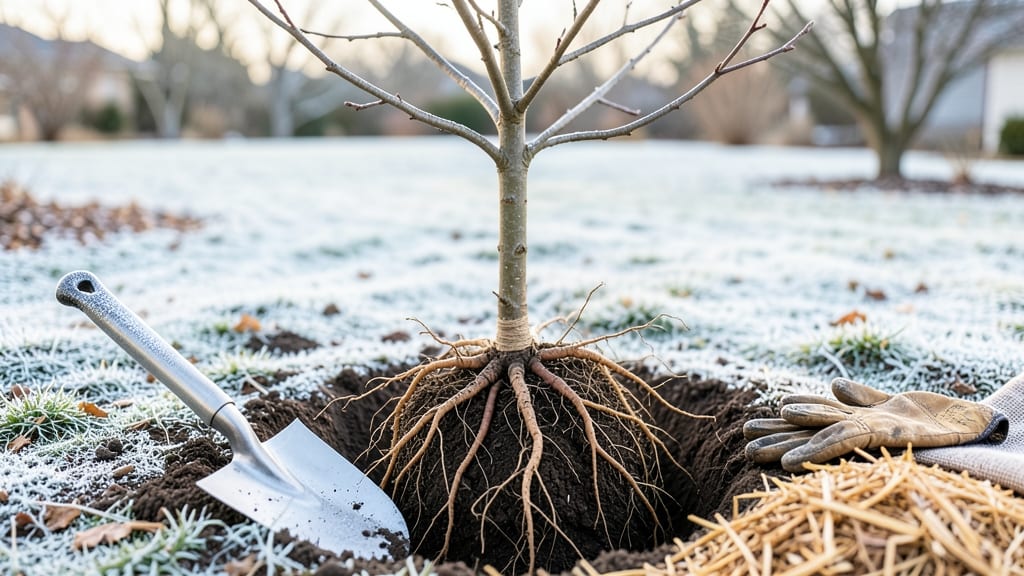
Winter soil isn't just dirt waiting for spring—it's the foundation that determines next year's harvest. 🌱 I've seen frozen ground turn into a brick-hard mess that stunts roots, but the right winter care keeps soil loose, fertile, and ready to grow.
The secret lies in layered protection: mulch on top, organic matter below, and smart timing to avoid damaging dormant roots.
Most gardeners make one critical mistake: working the soil when it's frozen. That's how compaction happens, and once it sets in, even spring rains won't fix it. Instead, focus on adding 3-4 inches of straw or leaves after the first frost—this insulates roots while feeding soil microbes.
I've seen soil temperatures stay 10°F warmer under mulch than bare ground, which makes all the difference for tender perennials.
By spring, you'll have soil that's crumbly, nutrient-rich, and ready to plant. The mulch breaks down slowly, adding organic matter without smothering new growth. It also prevents erosion from winter winds and melting snow, keeping your garden's structure intact.
Think of it as giving your soil a warm winter coat—one it'll thank you for with stronger roots and bigger harvests.
This works for vegetable beds, flower gardens, and even lawns. The key is starting early—before hard frosts set in—and adjusting your approach based on your climate. Whether you're in a cold zone with heavy snow or a mild winter with occasional freezes, the principles stay the same.
Cold Weather’s Hidden Soil Impact
Winter transforms your garden into a quiet, frost-kissed landscape—but beneath the surface, soil undergoes dramatic changes that can stifle plant health. Understanding why these shifts happen is the first step to protecting roots and preserving your garden’s vitality. Let’s break down the science behind winter soil struggles.
When temperatures plummet, water in soil freezes, expanding into ice crystals. This process displaces oxygen—the lifeblood of roots—by filling pore spaces. Without oxygen, beneficial microbes and root systems suffocate, slowing nutrient uptake and weakening plant resilience.
Why it matters:
- 🌡️ Ice formation reduces soil aeration by up to 50% in compacted or clay-heavy soils.
- 🔬 Microbes (like nitrogen-fixers) become dormant, halting decomposition and nutrient cycling.
- ❄️ Root damage occurs when ice crystals rupture delicate root hairs, leaving plants vulnerable to disease.
Actionable fix: Loosen soil in fall with a broadfork (not a shovel!) to create air pockets. Mulch with straw or leaves (4–6 inches) to insulate and prevent rapid freeze-thaw cycles.
Frozen ground acts like a waterproof barrier, trapping liquid below the frost line. As temperatures fluctuate, this trapped water saturates the root zone, creating anaerobic (oxygen-deprived) conditions. The result? Phytotoxins (plant poisons) like ethylene build up, and harmful bacteria thrive.
Why it matters:
- 💧 Waterlogging triggers root rot in perennials and woody plants, even if the soil looks dry above.
- 🧪 Sulfur compounds (from decomposing organic matter) can reach toxic levels, stunting growth.
- ⚠️ Frost heave (ice lenses pushing roots upward) exposes them to extreme cold and desiccation.
Actionable fix:
- ✨ Test drainage by digging a 12-inch hole in fall—if water pools after 24 hours, amend with compost or sand.
- 🌿 Use raised beds for high-moisture areas; they warm faster in spring and avoid compaction.
- 🚫 Avoid over-mulching with plastic or dense materials—opt for porous burlap or wood chips.
Cold soil slows microbial activity to a crawl. While some microbes enter dormancy, others shift to survival mode, breaking down organic matter at a fraction of their summer speed. This means less nitrogen, phosphorus, and potassium become available—just when plants need them most for spring growth.
Why it matters:
- 📉 Nitrogen loss can exceed 30% via leaching (washing away) or microbial denitrification.
- 🍄 Fungal dominance over bacteria alters soil structure, making it harder for roots to access nutrients.
- 🌱 Slow decomposition means last year’s compost won’t feed plants until late spring.
Actionable fix:
- 💡 Fall fertilizer boost: Apply slow-release organic fertilizers (like bone meal or kelp) in October to feed microbes over winter.
- 🍂 Leaf mulch hack: Shredded leaves add carbon (food for microbes) and improve soil texture as they break down.
- 🔄 Cover crops: Plant winter rye or clover to protect soil from erosion and fix nitrogen while dormant.
Repeated freeze-thaw cycles cause soil particles to expand and contract, creating a "pumping" effect that lifts and crushes roots. Clay soils are especially prone to this, while sandy soils may lose structure entirely, becoming like concrete. Compaction restricts root growth and water infiltration.
Why it matters:
- 🏗️ Soil density increases by 20–40% in heavy clay after one winter.
- 🌱 Young roots (like those of newly planted trees) can be severed during heaving.
- 💦 Water runoff increases, eroding topsoil and washing away nutrients.
Actionable fix:
- 🛠️ Aerate in fall with a manual aerator or rent a core aerator for lawns.
- 🪴 Root barrier trick: For perennials, create a 3-inch deep trench around plants to reduce frost penetration.
- 🌿 Living mulch: Plant creeping thyme or clover between rows to hold soil in place.
Fixing Frozen and Compromised Soil
Winter can wreak havoc on your soil, turning it into a frozen, waterlogged mess that stifles plant growth. But don’t worry—with the right strategies, you can restore its health and protect your plants.
Below are practical, step-by-step solutions tailored to common winter soil issues, along with prevention tips to keep your garden thriving year-round.
Cause: Prolonged subzero temps lock moisture in the ground, creating an impenetrable ice layer. Fix:
- 🍳 Spread Mulch Early – Before the first hard frost, apply 4–6 inches of organic mulch (straw, wood chips, or leaves) to insulate the soil. This traps heat and prevents rapid freezing.
- 👨🍳 Use Row Covers or Cloche Bells – For delicate plants or raised beds, drape frost cloth or place plastic domes over the soil to create a microclimate. Remove during the day if temps rise above freezing to avoid overheating.
- 🥘 Warm the Soil with Black Plastic – In late winter, lay black landscape fabric over bare soil for a few weeks. The dark color absorbs sunlight, accelerating thawing and warming the ground.
💡 Pro Tip: Avoid synthetic mulches like rubber chips—they don’t break down and can suffocate soil microbes.
Cause: Excessive rain or poor drainage turns soil into a swamp, cutting off oxygen to roots. Fix:
- ⏰ Improve Drainage with Sand or Gravel – Amend heavy clay soil by mixing in coarse sand or perlite (1 part amendment to 3 parts soil). For severe cases, dig a French drain (a trench filled with gravel and a perforated pipe) to redirect water.
- 🔪 Raise Beds or Plant on Mounds – If your yard floods, elevate plant beds by 6–12 inches or create planting mounds to keep roots above standing water.
- 🌡️ Use Swales or Berms – For sloped gardens, create shallow trenches (swales) to channel water away from roots or build berms (raised soil ridges) to slow runoff.
🎯 Prevention: Test your soil’s drainage by digging a 12-inch hole, filling it with water, and timing how long it takes to drain. If it takes more than 6 hours, drainage is poor.
Cause: Cold temps slow microbial activity, reducing nutrient availability for spring planting. Fix:
- ✨ Add Compost or Worm Castings – In early spring, top-dress garden beds with 2–3 inches of compost or worm castings. This feeds microbes and replenishes organic matter.
- 🥗 Plant Cover Crops – Before the first frost, sow winter rye, clover, or winter wheat to prevent erosion and add nitrogen to the soil. Till them under in spring.
- 💪 Use Slow-Release Fertilizers – Apply balanced, organic fertilizers (like 5-5-5 or fish emulsion) in late winter when soil is thawed but before active growth begins.
🔥 Quick Fix: Sprinkle kelp meal or bone meal lightly over the soil in early spring for an instant phosphorus boost.
Cause: Frozen soil disrupts natural pest predators, leaving plants vulnerable to overwintering bugs and fungi. Fix:
- 🛡️ Apply Diatomaceous Earth (DE) – Sprinkle food-grade DE around plant bases in late winter to deter slugs, ants, and other pests. Reapply after rain.
- 🍄 Introduce Beneficial Microbes – Mix mycorrhizal fungi or Bacillus subtilis into soil to strengthen plant defenses against pathogens.
- 🌱 Rotate Plant Families – If diseases persist, avoid planting the same crops in the same spot next year. For example, don’t replant tomatoes where tomatoes grew last season.
💡 Pro Tip: Solarize soil in late winter by covering it with clear plastic sheeting for 2–3 weeks to kill overwintering pests.
To avoid winter soil struggles, start these habits now: - 📊 Test Soil pH & Texture – Aim for 6.0–7.0 pH and a mix of sand, silt, and clay for optimal drainage and aeration. - 🌿 Avoid Over-Tilling – Excessive tilling disrupts soil structure.
Instead, top-dress with compost annually. - 🌡️ Monitor Weather Forecasts – Use frost alerts to time mulching, watering, or covering plants before sudden cold snaps.
Final Thought: Winter soil doesn’t have to be a lost cause—with insulation, drainage fixes, and smart amendments, you can turn frozen, waterlogged, or nutrient-poor soil into a fertile springtime powerhouse. Start small, act early, and your garden will thank you!
Frequently asked questions
Can I still add compost to my garden in winter?
Yes! In fact, winter is a great time to add compost—just use a light layer (1-2 inches) so it doesn't smother plants. The microbes will break down slowly, feeding your soil for spring. Avoid heavy applications that could compact when frozen.
Will mulch prevent soil from freezing completely?
Mulch won't stop freezing, but it creates a 10-15°F warmer microclimate under the surface. A 4-6 inch layer of straw or leaves helps roots survive by slowing freeze/thaw cycles. For extra protection, combine with frost cloth for tender plants.
How do I know if my soil is too compacted after winter?
Test by pressing your thumb into moist soil—if it doesn't leave a clear indentation, it's compacted. Another sign: water pools on the surface instead of soaking in. Fix it by aerating with a broadfork in fall or adding coarse sand or perlite to improve structure.
Can I plant anything in frozen ground?
Never plant when soil is frozen—roots can't grow and may rot. Wait until you can push a 12-inch trowel into the ground with little resistance. Cold-hardy crops like kale or spinach can handle near-freezing soil, but most plants need thawed ground.
What's the best mulch for winter protection?
Straw is ideal—it's lightweight, insulates well, and breaks down slowly. Avoid dense materials like grass clippings that can mat down. For trees, use wood chips (3-4 inches deep) to protect roots while allowing airflow to the trunk.