
How To
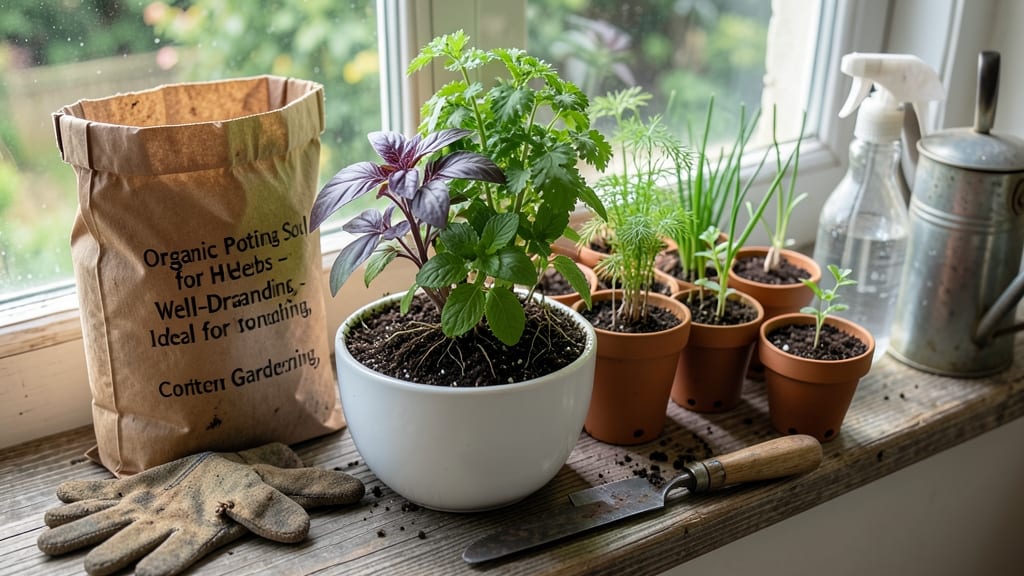
The right potting soil for herbs is the secret to lush, fragrant plants that never wilt. 🌿 I learned this the hard way when my basil turned to mush after just two weeks—until I switched to a fast-draining mix.
Herbs like rosemary and thyme despise soggy roots, while parsley and cilantro tolerate slightly richer blends. Start with a well-draining base: combine 50% peat or coco coir, 30% perlite or pumice, and 20% compost for nutrients. For containers, add 10% coarse sand to prevent compaction.
Sterilize the mix by baking it for 30 minutes at 200°F to kill pests and fungi before planting. You’ll see the difference immediately—herbs grow 2-3 times faster in the right soil, with vibrant green leaves and bold flavors.
The mix stays loose even after watering, so roots get air instead of drowning. For indoor herbs, add 1 part worm castings for extra nutrients. This blend works for window boxes, hanging pots, or raised beds—just adjust the drainage based on your climate.
Once you master it, you’ll never buy store-bought soil again!
📚 In This Guide
- What you need
- Instructions
- Tips and common mistakes
- Wrapping up and next steps
What you need
- ● Base soil: 50% pearlite or perlite (for aeration) or 50% coarse sand (like horticultural sand, not playground sand). Quantity: 2 parts per 1 part soil.
- ● Organic matter: 30% coco coir (sterilized coconut fiber) or composted bark. Quantity: 1 part.
- ● Nutrient-rich soil: 20% high-quality potting mix (look for "organic" or "herb-specific" blends). Quantity: 1 part.
- ● Worm castings or compost: 10% (boosts fertility). Quantity: ½ part.
- ○ Optional but helpful: Mycorrhizal fungi (1 tsp) – enhances root growth.
- ● Slow-release fertilizer (like 1 tsp fish emulsion) – feeds herbs gradually.
- ● Mixing container: A clean wheelbarrow, large bucket, or plastic tote (sterilized with a 10% bleach solution if reused).
- ● Gloves & mask: Protect your hands and lungs from dust (especially perlite or sand).
- ○ pH tester: Ensure your mix is slightly acidic to neutral (6.0–7.0). Optional but recommended!
- ● Spray bottle: For moistening dry ingredients before mixing.
- ● Containers: Pots with drainage holes (3–6 inches deep for herbs like basil/thyme; 6+ inches for rosemary/sage).
How to mix a well-draining potting soil for herbs
Herbs need soil that breathes—too much moisture and their roots suffocate. Here’s my foolproof blend that keeps roots happy and prevents rot.
🌱 Step 1: Start with a Base of Quality Potting Mix
Use 40% premium potting mix as your foundation—this provides essential nutrients and a loose structure. I always choose a mix labeled "for herbs" or "lightweight" to avoid heavy garden soil that compacts and traps moisture. Sift it to break up any clumps, ensuring an even texture that won’t smother delicate herb roots.
Herbs like basil and parsley grow best in soil that’s airy yet retains enough moisture to stay slightly damp. If your mix feels dense, add 10% perlite to create pockets for airflow. This prevents the classic herb-killer: soggy soil that drowns roots overnight.
💧 Step 2: Add Organic Matter for Nutrients and Structure
Mix in 30% coconut coir or peat moss to improve moisture retention without compacting. Coconut coir is my top pick—it holds water better than peat moss and won’t shrink as it dries. Break it into small chunks before adding to avoid clumps that can suffocate roots.
For extra nutrients, fold in 20% compost or worm castings. This feeds herbs like thyme and rosemary, which thrive on slow-release organic matter. Avoid fresh manure—it can burn tender herb roots. Sift the compost to remove any large particles that might disrupt drainage.
✂️ Step 3: Adjust Drainage with Sand or Vermiculite
Add 10% coarse sand or vermiculite to ensure water drains freely. Sand prevents compaction, while vermiculite holds moisture for herbs like cilantro that dry out fast. I prefer vermiculite because it stays loose longer than sand, which can compact over time.
Mix everything thoroughly by hand—this ensures even distribution. Press the soil lightly in your hands; it should hold together but crumble easily. If it feels too sticky, add a little more perlite. If it’s too dry, sprinkle a bit of water and remix. The goal is soil that feels like a damp sponge, not a mud brick.
☀️ Step 4: Test and Refine for Your Herbs’ Needs
Fill a small pot with your blend and water it thoroughly. After 30 minutes, check the drainage: water should flow through the bottom holes without pooling. If it drains too fast (like sand), add 5% more coconut coir to retain moisture. If it drains too slowly, mix in 5% extra perlite.
Herbs like rosemary and oregano tolerate drier mixes, while basil and parsley need slightly more moisture. Adjust the ratio based on what you’re growing—this blend is your starting point, not a rigid rule. Store unused mix in a sealed container for up to 6 months.
Tips & tricks for perfect herb potting soil
Between us, the secret to thriving herbs isn't just the mix itself—it's how you handle the details. These small adjustments make all the difference between wilted stems and lush, fragrant plants.
Texture is Everything: After mixing your 40% premium potting mix with the 10% perlite, run your fingers through it like you're testing cake batter. It should feel like damp sandpaper—not sticky, not crumbly. If it clumps, add more perlite (up to 5% extra) to create those crucial air pockets. Herbs like thyme and oregano actually prefer this slightly gritty texture, while basil and parsley need just a touch more finesse—think "damp sponge" consistency rather than "wet sand."
Organic Matter Matters: When folding in that 30% coconut coir, don't just dump it in—break it into rice-sized pieces first. Whole chunks create dead zones where moisture pools and roots can't penetrate. For the 20% compost or worm castings, sift it through a fine mesh strainer to remove any large particles that could disrupt drainage. This is where many gardeners go wrong—they skip sifting and end up with pockets of compacted organic matter that trap water.
Drainage Test That Actually Works: That 30-minute drainage test in Step 4 is non-negotiable, but here's the pro move: use a clear container so you can see the water flow. If it drains too fast (like sand through an hourglass), add that 5% extra coconut coir—but only to the bottom third of your pot. This creates a moisture-retaining base while keeping the top layers airy. For herbs like cilantro that dry out quickly, I add a 1-inch layer of vermiculite at the bottom before the soil mix.
Pro Tips for Potting Soil For Herbs
- Between us, the secret to thriving herbs isn't just the mix itself—it's how you handle the details.
- Texture is Everything: After mixing your 40% premium potting mix with the 10% perlite, run your fingers through it like you're testing cake batter.
- Organic Matter Matters: When folding in that 30% coconut coir, don't just dump it in—break it into rice-sized pieces first.
Frequently asked questions
Got questions about the perfect potting soil for herbs? You’re not alone! Whether you’re a beginner or a seasoned gardener, these answers will help you grow lush, healthy herbs with confidence.
What’s the best potting soil mix for herbs?
A well-draining blend is key—aim for a mix of 60% potting soil, 30% perlite or coarse sand, and 10% compost. Avoid heavy garden soil, which can compact and suffocate roots. Pre-made herb mixes (like those labeled "well-draining") work too!
When is the best time to plant herbs in potting soil?
Herbs thrive when planted in spring or early fall, when temperatures are mild. If growing indoors, you can plant year-round, but ensure they get 6–8 hours of sunlight daily. Avoid extreme heat (like summer) unless you’re using shade-loving herbs like parsley or cilantro.
How often should I water herbs in potting soil?
Herbs hate soggy soil—water only when the top inch feels dry. Most herbs prefer moderate moisture, but avoid overwatering. A trick? Stick your finger in the soil—if it’s damp, wait a day or two. Pro tip: Use a pot with drainage holes to prevent root rot!
Can I reuse potting soil for herbs year after year?
Not ideal! Soil depletes nutrients and can harbor pests/diseases over time. Refresh it every 1–2 years by mixing in compost or worm castings. Sterilize old soil by baking it at 200°F for 30 minutes if reusing (though a fresh blend is always better).
Why are my herbs turning yellow in potting soil?
Yellowing leaves often signal overwatering, poor drainage, or nutrient deficiency. Check your pot—does it have drainage holes? If not, repot. Also, ensure your soil mix isn’t too dense. Fertilize lightly with a balanced herb fertilizer every 4–6 weeks for a boost!
Wrapping up and next steps
Choosing the right potting soil for herbs is the secret to thriving, flavorful plants—no root rot in sight! 🌱 A well-draining blend with organic matter, perlite, and vermiculite gives your herbs the perfect home to grow strong and healthy.
Now that you’re armed with the best mix and tips, it’s time to get your hands dirty and watch your garden flourish.
Ready to take the next step? Start by planting your herbs in their new soil, and don’t forget to label them for easy care. Happy gardening—your kitchen (and taste buds) will thank you! 🌿✨