
How To
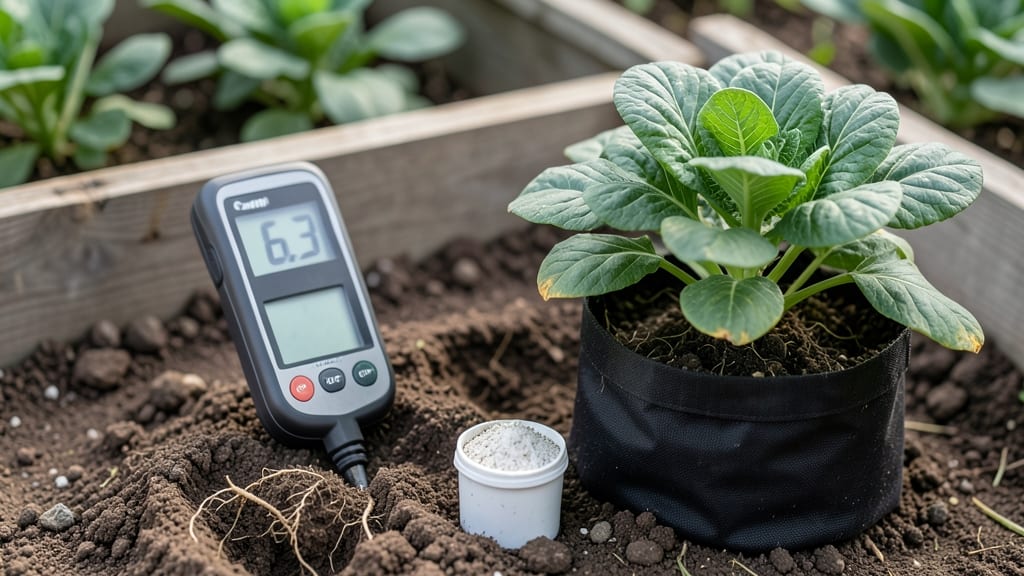
Growing mustard greens with the right soil pH range 🥬 is the secret to fast, flavorful harvests in just 30-60 days.
Mustard greens are one of the fastest-growing vegetables in your garden—but only if you get the soil pH right. Too acidic or alkaline, and you’ll struggle with stunted growth, bitter flavors, or even crop failure.
Most gardeners don’t realize that a pH outside the 6.0–7.0 range can lock out essential nutrients, leaving your greens yellow, weak, or worse—completely unusable. The good news? Testing and adjusting is easier than you think.
In this guide, I’ll walk you through how to test your soil, fix pH imbalances with simple amendments, and keep your mustard greens thriving from seed to harvest.
Optimal soil pH range for mustard greens: what the numbers really mean
Mustard greens thrive when your soil pH falls between 6.0 and 7.0, making them slightly acidic to neutral. This range ensures they absorb essential nutrients like nitrogen, phosphorus, and calcium efficiently. Without the right pH, your plants may struggle—even if you’re giving them perfect sunlight and water.
Think of soil pH like the lock and key system for nutrients. If the pH is too low (acidic) or too high (alkaline), your mustard greens can’t unlock the nutrients they need to grow strong and flavorful.
For example, a pH below 5.5 can cause aluminum toxicity, while a pH above 7.5 locks out vital micronutrients like iron and manganese.
Testing your soil is the first step to success. You can use a home pH test kit (around $10) or send a sample to your local Cooperative Extension Service for a detailed analysis.
I recommend testing in early spring before planting, as soil pH can shift over time due to weather, organic matter breakdown, or amendments.
Here’s why the 6.0–7.0 range matters so much for mustard greens:
Even a half-point deviation (e.g., pH 6.5 vs. 7.0) can affect your harvest. For instance, at pH 6.5, your mustard greens might develop a slightly bitter taste, while at pH 7.2, they’ll absorb less iron, leading to pale leaves.
The key is consistency—aim to keep your soil within that 6.0–7.0 window throughout the growing season.
Organic matter like compost or well-rotted manure naturally buffers soil pH, helping maintain stability. I’ve found that amending my garden beds with 2–3 inches of compost before planting keeps the pH balanced without drastic fluctuations.
This is especially helpful in sandy soils, which can become too alkaline, or clay soils, which may lean acidic.
If your soil tests outside the ideal range, don’t panic—adjustments are simple. For acidic soil (below 6.0), add lime (calcium carbonate) to raise the pH. For alkaline soil (above 7.0), use sulfur or peat moss to lower it.
Always apply amendments in small amounts and retest your soil after 4–6 weeks to avoid overshooting.
One common mistake I see is assuming all green leafy vegetables have the same pH needs. Mustard greens are more tolerant than, say, spinach (ideal pH 6.5–7.0), but pushing their pH too far in either direction still leads to stress.
For example, my neighbor’s mustard greens grew slowly last year because his soil pH was 7.8—he fixed it by adding sulfur and saw a 30% faster growth rate the next season.
Remember, soil pH isn’t static—it changes with rainfall, fertilizers, and organic decomposition. I recommend testing your soil every 1–2 years, especially if you’ve made recent amendments or noticed growth issues. A little effort now means sweeter, healthier must
How to adjust soil pH for mustard greens: quick fixes for acidic or alkaline soil
Mustard greens thrive in a soil pH range of 6.0–7.0, but your garden soil might need adjustments to hit that sweet spot. If your test shows pH below 6.0, your soil is too acidic.
If it’s above 7.0, it’s alkaline. Both extremes can block nutrient absorption, leading to poor growth or bitter flavors. The good news? Fixing it is easier than you think with organic amendments.
Before diving in, grab a soil pH test kit (or send a sample to your local extension office) to confirm your exact pH. Once you know where you stand, follow these step-by-step fixes to balance your soil naturally.
Organic methods like lime, sulfur, compost, and peat moss work slowly but safely, avoiding harsh chemical shifts that can harm your plants.
🌱 Step-by-Step pH Adjustment Guide
- 1 Test your soil: Use a home pH test kit or lab test to confirm your current pH. Aim for 6.0–7.0 for mustard greens.
- 2 For acidic soil (pH < 6.0): Sprinkle pelletized lime (1–2 lbs per 100 sq ft) or wood ash (1 cup per plant) into the top 6 inches of soil. Work it in gently.
- 3 For alkaline soil (pH > 7.0): Mix in elemental sulfur (1–2 lbs per 100 sq ft) or peat moss (2–3 inches) to lower pH. Sulfur takes 2–3 months to work.
- 4 Boost organic matter: Add compost or well-rotted manure (1–2 inches) to improve soil structure and buffer pH naturally over time.
- 5 Water thoroughly: After amending, water deeply to help amendments integrate. Avoid overwatering, which can wash nutrients away.
- 6 Wait and retest: Check pH again in 4–6 weeks. Adjustments take time—don’t rush! Repeat if needed until you hit 6.0–7.0.
Timing matters! Amend your soil 4–6 weeks before planting to give amendments time to work. If you’re correcting pH mid-season, focus on compost and organic matter, which improve soil gradually without shocking your plants. Avoid quick-fix chemical amendments—they can burn roots or create pH swings.
Avoid these common mistakes: Over-applying lime or sulfur (it’s easy to overdo it), ignoring soil texture (sandy soil needs more frequent adjustments than clay), and skipping the retest (pH changes slowly).
For example, 1 lb of lime raises pH by about 0.5 units in 100 sq ft of soil—start small and adjust.
Once your soil is balanced, maintain it by adding compost annually (1–2 inches) and retesting every 1–2 years, especially if your garden soil is naturally acidic or alkaline. Healthy soil pH means sweeter, faster-growing mustard greens with fewer pests and diseases to fight.