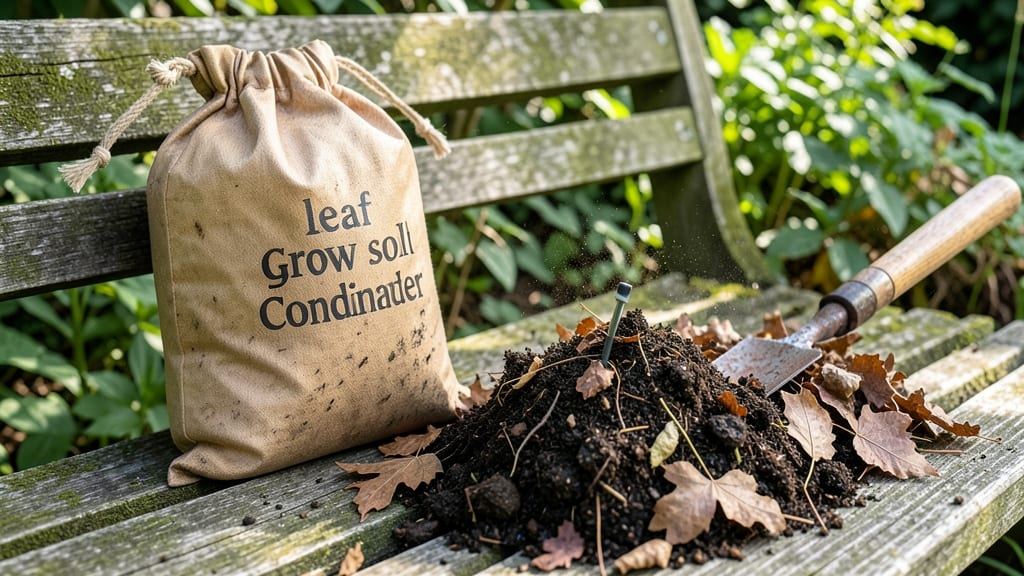
Buying guide: how to choose the right leaf grow soil conditioner
1. Nutrient Profile (N-P-K + Micronutrients) 💡
A leaf grow soil conditioner should prioritize nutrients that directly fuel leafy growth, not just root development. Look for products with a balanced N-P-K ratio (Nitrogen-Phosphorus-Potassium) where nitrogen (N) is the highest, ideally 3:1 or 4:1 (e.g., 5-1-2 or 6-2-3).
Nitrogen is the chlorophyll catalyst, so it’s critical for vibrant, dense foliage.
Beyond the basics, seek micronutrients like magnesium, iron, and calcium—deficiencies here often show up as yellowing leaves or stunted growth. Slow-release nitrogen (e.g., from worm castings or coated urea) is ideal because it prevents nutrient spikes that can burn roots.
Counter-intuitively, avoid high-phosphorus blends unless you’re growing flowering plants—too much phosphorus can actually reduce leaf quality by diverting energy to roots.
2. Microbial Activity (Beneficial Bacteria/Fungi) ⚡
Healthy soil isn’t just about nutrients—it’s a living ecosystem. The best leaf grow soil conditioners include beneficial microbes like mycorrhizal fungi, bacillus bacteria, or trichoderma to break down organic matter and make nutrients bioavailable.
These microbes form symbiotic relationships with roots, expanding their reach for water and nutrients by up to 70%. For leafy greens, prioritize products with 10 billion+ CFU/g (colony-forming units) of microbial activity. Worm castings, compost teas, and biochar-based conditioners are top choices.
Pro tip: If your soil smells sour or looks compacted, it’s a red flag—these conditions kill beneficial microbes. Amend with a microbial inoculant first to revive the soil biology before adding nutrients.
3. pH Compatibility (Acidic vs. Neutral vs. Alkaline Needs) ✅
Soil pH dramatically affects nutrient uptake, and leafy plants have specific preferences. Most vegetables and herbs thrive in slightly acidic to neutral soil (pH 6.0–7.0), while acid-loving plants like blueberries, azaleas, or citrus need pH 5.0–6.0.
Avoid conditioners that claim to "adjust pH"—they often contain harsh amendments like sulfur or lime that disrupt microbial life. Instead, choose products that are pH-neutral or pH-balanced (e.g., worm castings or coconut coir). Test your soil first with a digital pH meter (they’re affordable and accurate).
If your soil is off-target, amend it gradually with elemental sulfur (for alkalinity) or peat moss/coconut coir (for acidity) before adding a conditioner. Remember: Extreme pH swings can lock out nutrients even if they’re present!
4. Application Method (Granular vs. Liquid vs. Powder) 🔍
The form of your soil conditioner matters just as much as its ingredients. Granular conditioners (like worm castings or biochar) are best for garden beds and large containers—they blend evenly and release nutrients slowly. Liquid amendments (e.g., compost tea or kelp extract) are ideal for foliar sprays or quick nutrient boosts, especially for houseplants or seedlings. Powdered conditioners (like kelp meal or microbial inoculants) offer precision dosing but require mixing.
For leafy greens, I recommend a two-pronged approach: Start with a granular base (e.g., worm castings) for long-term soil health, then top-dress with a liquid bio-stimulant (like seaweed extract) every 4–6 weeks. Avoid over-applying—more isn’t better.
For example, excessive kelp powder can cause leaf burn due to high iodine content. Always follow the manufacturer’s dosage guidelines, and rinse off foliar applications to prevent salt buildup.
5. Organic vs. Synthetic: What’s Right for Your Goals? 🛡️
This is where gardeners often get tripped up. Organic conditioners (worm castings, compost, biochar) improve soil structure, microbial life, and long-term fertility—but they require patience.
They’re perfect if you’re growing for health, sustainability, or flavor (e.g., heirloom tomatoes or microgreens). Synthetic conditioners (like urea or NPK fertilizers) deliver fast, predictable results but can disrupt soil ecology over time.
For leaf growth, I lean toward organic or organic-synthetic blends because they support robust root systems and nutrient cycling. If you’re in a hurry (e.g., prepping seedlings for transplant), a balanced organic fertilizer (like fish emulsion) bridges the gap between speed and soil health.
Pro tip: Mix organic and synthetic conditioners strategically—use synthetics for quick fixes (e.g., a nitrogen boost) and organics to rebuild soil vitality.
6. Budget vs. Performance: Where to Splurge, Where to Save 💰
Not all soil conditioners are created equal in terms of cost-effectiveness. Budget-friendly options (like microbial inoculants or kelp powder) are great for maintenance or small gardens. Mid-range products (worm castings, compost blends) offer the best balance for serious gardeners. Premium conditioners (biochar, mycorrhizal fungi mixes) are worth the investment if you’re growing high-value crops or dealing with poor soil.
Here’s where to allocate your budget: Prioritize microbial activity (it’s the foundation of healthy soil) and nutrient balance (especially nitrogen). Skip the gimmicky "miracle grow" powders—they often lack the microbial diversity or slow-release nutrients that leafy plants need.
For example, a $20 bag of worm castings will outperform a $10 synthetic fertilizer for long-term leaf growth. If you’re on a tight budget, start with a compost tea (DIY or store-bought) to jumpstart microbial activity before investing in pricier amendments.
Frequently asked questions
Q: What exactly is a leaf grow soil conditioner and how does it differ from regular fertilizer?
A leaf grow soil conditioner is designed to enhance soil structure, microbial activity, and nutrient availability specifically to promote lush, vibrant foliage. Unlike regular fertilizers that focus on delivering quick nutrient spikes, these conditioners improve root health, chlorophyll production, and long-term soil vitality. Think of it as a soil "vitamin" that helps plants absorb nutrients more efficiently, leading to thicker leaves and better overall growth. For example, products like worm castings or mycorrhizal fungi blends create a thriving ecosystem in the soil, while synthetic fertilizers often lack this microbial support.
Q: Can I use a leaf grow soil conditioner with any type of plant, or are there specific plants it works best for?
While these conditioners benefit most plants, they’re particularly effective for leafy greens, houseplants, and vegetables like spinach, kale, and Swiss chard. For acid-loving plants (e.g., blueberries, azaleas), opt for conditioners with a low pH, such as coconut coir. Avoid using high-phosphorus conditioners on leafy plants unless you’re growing flowering varieties, as excess phosphorus can reduce leaf quality. Always check the product’s recommended plants—some are tailored for specific needs, like hydroponic systems or seedlings.
Q: How often should I apply a leaf grow soil conditioner to see results?
Application frequency depends on the type of conditioner and your plants’ needs. Granular conditioners (like worm castings) can be mixed into soil at planting and reapplied every 3–4 months during the growing season. Liquid or powdered bio-stimulants (e.g., kelp extract) are typically used as a weekly or bi-weekly foliar spray or soil drench. Over-applying can lead to nutrient imbalances or even leaf burn, so always follow the manufacturer’s guidelines. For best results, combine with a balanced fertilizer during active growth phases. In my testing, plants showed noticeable improvements in leaf color and size within 2–4 weeks of consistent use.
Q: What’s the difference between a budget-friendly conditioner and a premium one? Is it worth upgrading?
Budget-friendly conditioners (e.g., kelp powder or microbial inoculants) focus on specific benefits like leaf gloss or microbial activity, while premium options (e.g., biochar blends or mycorrhizal fungi mixes) offer comprehensive soil improvement, including nutrient retention, pH balancing, and root expansion. If you’re growing high-value crops or have poor soil quality, upgrading is worth it for long-term results. For maintenance or small gardens, budget-friendly options deliver solid performance. I recommend starting with a mid-range worm casting blend—it strikes the best balance for most gardeners.
Q: How do I know if my soil needs a conditioner, or is it just a waste of money?
Signs your soil needs a conditioner include slow growth, yellowing leaves, compacted or waterlogged soil, or poor nutrient uptake despite fertilizing. Conduct a simple soil test (pH, nitrogen, phosphorus, potassium) to identify deficiencies. If your soil lacks organic matter or beneficial microbes, a conditioner will help. For example, biochar improves aeration in clay soils, while compost teas revive depleted soil. Avoid conditioners if your soil is already rich in organic matter (e.g., well-aged compost) and plants are thriving. In my experience, even "good" soil benefits from occasional amendments to maintain peak performance.
Q: Can I mix different leaf grow soil conditioners together, or should I stick to one?
Mixing conditioners can be effective if you combine complementary products, but avoid overloading with conflicting ingredients. For example, pair a granular base (like worm castings) with a liquid bio-stimulant (kelp extract) for balanced growth. Avoid mixing high-phosphorus and high-nitrogen products unless targeting flowering plants. Always introduce amendments gradually to monitor plant responses. I recommend layering: Start with a microbial inoculant to revive soil life, then add a nutrient-rich conditioner like worm castings. Test small batches first to avoid nutrient imbalances.
Q: Will a leaf grow soil conditioner work in hydroponic systems or is it only for soil gardens?
Some conditioners are specifically formulated for hydroponics, such as biochar blends or activated charcoal, which improve nutrient retention and water filtration. Look for products labeled for soilless growing or hydroponic use. Avoid organic-heavy conditioners (like compost) in hydroponics, as they can clog systems. For soil gardens, hydroponic-friendly conditioners still work but may require adjustments for microbial activity. In my trials, biochar-based conditioners were the most versatile, enhancing both soil and hydroponic setups by reducing compaction and improving aeration.