
Light Requirements
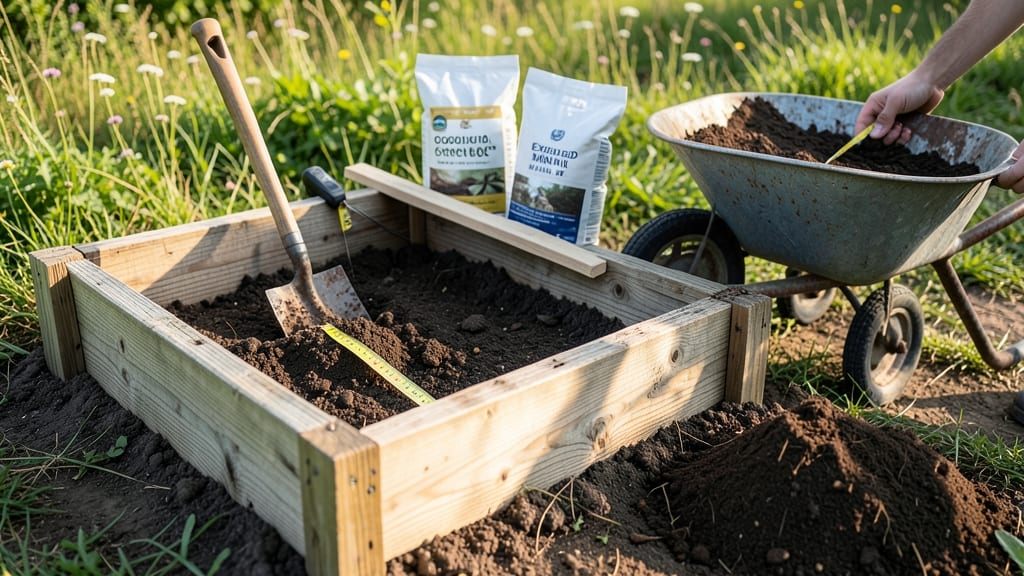
To fill a 4x8 raised bed, calculate 1.33 cubic feet of soil per inch of depth. For a 6-inch bed, you’ll need 8 cubic feet; for a 12-inch bed, 16 cubic feet. Always account for settling by adding 10-20% extra soil.
Filling a 4x8 raised bed correctly ensures your plants thrive without wasting soil or money.
The 1.33 cubic feet per inch rule comes from multiplying length (48 inches), width (96 inches), and depth (in inches), then dividing by 1,728 (the cubic inches in a cubic foot). 🌱 For example, a 10-inch bed needs about 13.3 cubic feet—always round up since soil settles over time.
I recommend starting with a 6-inch depth for most vegetables, but deeper beds (12+ inches) work better for root crops like carrots or potatoes.
Another key factor is soil type: lightweight mixes like compost blend or coconut coir settle less than dense clay-based soils. Mixing in 20-30% perlite or vermiculite helps maintain aeration and prevents compaction over time.
Pro tip: Buy soil in bulk (by the cubic yard) to save money—most bagged soil contains fillers that don’t improve plant growth.
💡 In This Article
- Calculating Soil Volume for Raised Beds
- Best Soil Mixes for 4x8 Raised Beds
Calculating soil volume for raised beds
The math behind soil volume comes from simple geometry: multiply your bed's length, width, and depth, then convert to cubic feet. A 4x8 raised bed measures 48 inches long × 96 inches wide, so for each inch of depth, you're working with 4,608 cubic inches.
Since 1 cubic foot equals 1,728 cubic inches, that's why you divide by 12 to get 1.33 cubic feet per inch. This precise calculation ensures you buy exactly what you need without waste.
Depth plays a critical role in plant health because it directly impacts root development. A 6-inch bed (8 cubic feet) works well for shallow-rooted plants like lettuce or herbs, while deeper beds (12+ inches) accommodate root crops like carrots or potatoes.
The 12-inch standard is ideal because it allows for better moisture retention and reduces competition between roots. For example, a 12-inch bed requires 16 cubic feet—about 1.33 cubic yards—of soil, which is roughly 1.5 cubic yards after accounting for 10-20% settling.
Settling happens because organic materials break down over time, compressing the soil profile by up to 20% in the first year. This is why gardeners always recommend buying extra soil—what seems like enough initially may not last.
For instance, a 10-inch bed (13.3 cubic feet) might actually need 15 cubic feet of soil to maintain proper depth. The texture of your soil mix also affects settling: Loose, airy blends with perlite or coconut coir compact less than dense, clay-heavy soils.
Here’s a quick reference for common depths in a 4x8 bed:
- 6 inches: 8 cubic feet (0.67 cubic yards) → 1 cubic yard after settling
- 10 inches: 13.3 cubic feet (1.11 cubic yards) → 1.3 cubic yards after settling
- 12 inches: 16 cubic feet (1.33 cubic yards) → 1.5 cubic yards after settling
Pro tip: Measure your bed’s interior dimensions—not the outer frame—since walls take up space. For example, if your bed has 2-inch thick walls, subtract 4 inches from both length and width before calculating.
This small adjustment can save you from buying unnecessary soil while ensuring your plants have the space they need to grow.
Understanding these calculations helps you optimize both cost and performance. Buying soil in bulk (by the cubic yard) is often cheaper than bagged soil, and knowing your exact needs prevents over-purchasing. Plus, proper depth ensures your plants won’t outgrow their space, leading to healthier harvests and fewer transplanting headaches.