Advice
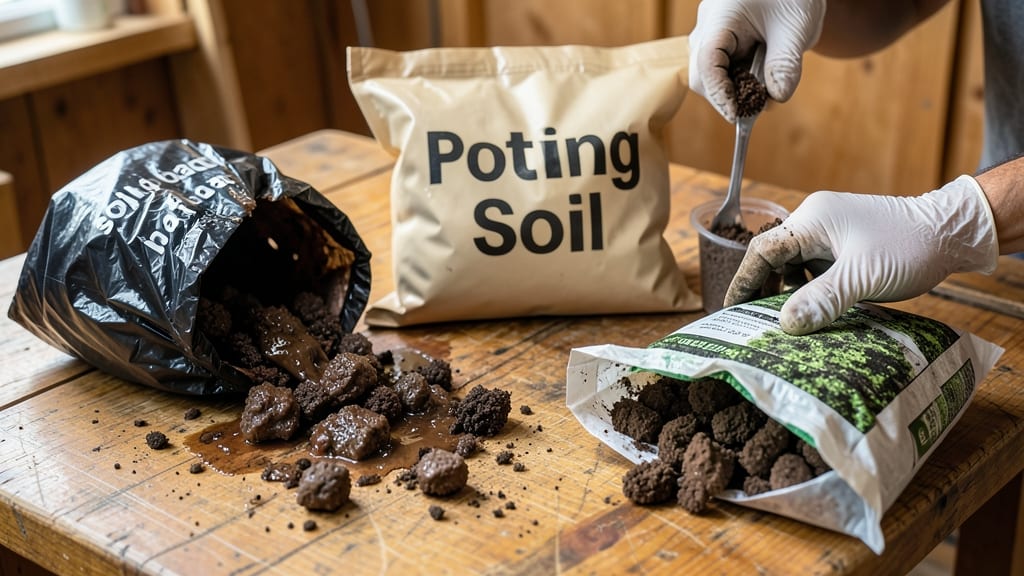
Yes, the soil in a bag does go bad over time, losing fertility, developing mold, or compacting when exposed to moisture or poor storage. When properly sealed and stored in a cool, dry place, it typically remains usable for 6–12 months—but foul odors, visible pests, or rock-hard clumps signal it's time for a fresh batch.
Stored soil isn't just about sitting idle—it's a living ecosystem that slowly breaks down. 🌱 Over time, organic matter decomposes, beneficial microbes die off, and nutrients like nitrogen and phosphorus leach away.
The biggest culprits are heat, humidity, and improper sealing, which create the perfect conditions for mold and bacteria to thrive. Even high-quality potting mixes can turn unusable within months if left exposed to air or sunlight, making that 6–12 month shelf life a real-world guideline rather than a hard rule.
What's interesting is how different plants react to aged soil. 🌿 While delicate seedlings might struggle in nutrient-depleted mixes, hardy perennials or established garden beds can sometimes tolerate slightly older soil—though their growth will suffer compared to fresh amendments.
The key is testing your soil before use: simply squeeze a handful—if it crumbles easily and smells earthy, it's likely still good. But if it sticks together like wet cement or emits a musty aroma, it's past its prime.
💡 In This Article
- How Long Bagged Soil Stays Fresh and Why It Degrades
- Signs Your Bagged Soil Has Gone Bad and How to Refresh It
How long bagged soil stays fresh and why it degrades
Bagged soil doesn’t last forever because it’s a dynamic ecosystem, not just inert dirt. Over time, organic matter—like composted leaves, peat moss, or coconut coir—breaks down through microbial activity. These microbes consume nutrients like nitrogen and phosphorus, which plants need to thrive.
In a sealed bag, oxygen levels drop, creating anaerobic conditions where harmful bacteria and fungi thrive, accelerating decomposition. 🌱 This process typically happens within 6–12 months, but the timeline depends on the soil’s initial composition and storage conditions.
The biggest enemies of bagged soil are moisture and heat. Excess humidity encourages mold growth, while temperatures above 75°F speed up microbial activity, depleting nutrients faster. Even high-quality potting mixes can lose up to 30% of their nitrogen content within six months if stored improperly.
For example, a bag of peat-based soil stored in a damp basement may degrade in just 3–4 months, while a well-sealed bag of coco coir kept in a cool garage could last nearly a year.
Light exposure also plays a role—sunlight can dry out soil and encourage weed seed germination, while darkness helps preserve moisture and slow microbial activity. The best storage conditions mimic a plant’s natural environment: cool (50–65°F), dark, and dry.
If you’re storing soil long-term, consider transferring it to airtight containers with moisture barriers, like heavy-duty plastic bins with desiccant packets.
Another critical factor is compaction. Over time, soil particles press together, reducing aeration and water absorption. This is why bagged soil often feels denser after months of storage—it can’t support healthy root growth.
For instance, a bag of garden soil that was fluffy and loose when purchased might become as hard as packed clay after a year, making it useless for seedlings or container plants.
Even "sterile" potting mixes aren’t immune to spoilage. While they lack weed seeds and pathogens, the organic components still decompose. For example, a bag of soilless mix with perlite and vermiculite might last longer (up to 18 months), but the peat or compost additives will still break down.
The key takeaway? Bagged soil isn’t designed for indefinite storage—it’s a perishable product with a shelf life tied to its organic content and environmental conditions.
If you’re a serious gardener, buying smaller bags or repackaging soil into reusable containers can extend its usability. Just remember: the fresher the soil, the better the results for your plants. 💫