
How To
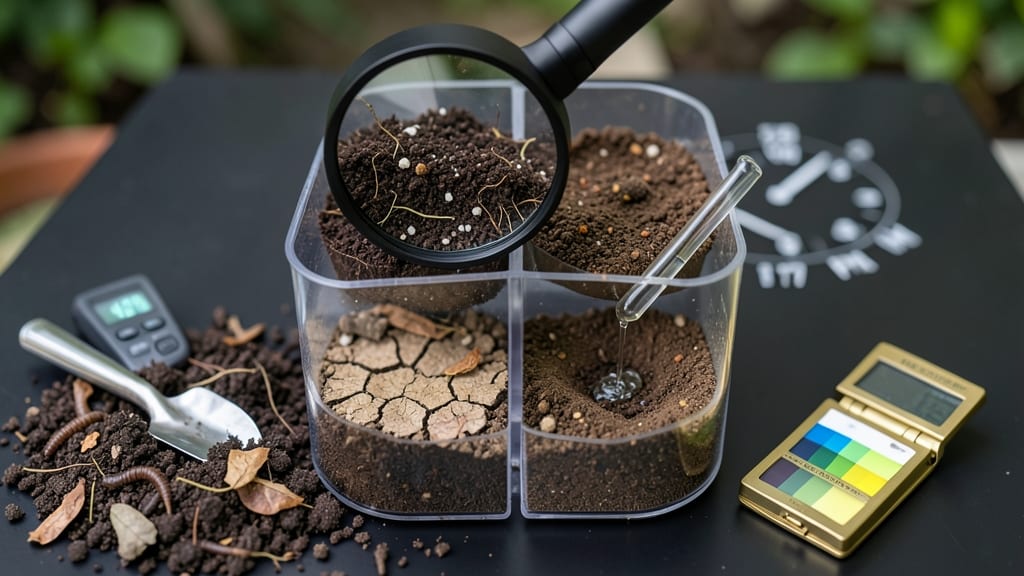
Soil doesn't expire like perishable food, but its effectiveness for plant growth diminishes over time due to nutrient loss, microbial decline, and physical breakdown, with viability lasting about 6–12 months when stored correctly in dry conditions.
Unlike food, soil doesn't have a strict expiration date, but its quality degrades when stored improperly. 🌱 Over time, organic matter breaks down, essential nutrients like nitrogen and phosphorus diminish, and beneficial microbes become less active.
Physical changes—such as compaction from improper storage—can also suffocate plant roots. The key to preserving soil health lies in maintaining its moisture balance and preventing contamination, whether from pests or external debris.
For gardeners, the best storage practices include using breathable containers and keeping soil in a cool, dry place. If your soil starts to smell sour or develops mold, it's time to refresh it with compost or organic fertilizers.
Revitalizing soil isn't just about adding nutrients—it's about restoring the delicate balance that supports root growth and microbial life.
💡 In This Article
- How Soil Degrades Over Time and Storage
- Extending Soil Lifespan: Storage and Revitalization Tips
How soil degrades over time and storage
Soil degradation happens through a combination of biological and physical processes.
The organic matter—like decomposed leaves, compost, and plant residues—slowly breaks down through microbial activity, losing its structure and nutrient density over time. 🌱 This decomposition process accelerates when soil is exposed to moisture or heat, causing essential nutrients like nitrogen and phosphorus to leach away or become chemically unavailable to plants.
The microbial ecosystem, which includes bacteria and fungi, is another critical factor. These microorganisms help break down organic material and make nutrients accessible to plants. However, without fresh organic inputs, their populations dwindle, reducing soil fertility.
For example, a well-balanced garden soil might contain 100 million bacteria per gram, but after 6-12 months of improper storage, this number can drop by 50-70%, significantly weakening its ability to support plant growth.
Physical changes also play a role. Soil stored in airtight containers becomes compacted, reducing pore space that roots need for oxygen and water absorption. Over time, this compaction can make the soil feel dense and clay-like, almost like a brick when dry.
Moisture loss is another issue—if soil dries out completely, it can form a crusty surface that repels water, making it nearly impossible to rehydrate without breaking it apart.
Temperature swings further accelerate degradation. Freezing temperatures kill beneficial microbes, while excessive heat can sterilize the soil, leaving it barren. Even fluctuations between hot and cold cycles—common in unprotected outdoor storage—disrupt the soil's delicate balance.
For instance, soil stored in a garage during winter may develop ice crystals that damage root structures, while summer heat can cause organic matter to oxidize rapidly.
Chemical changes also occur over time. The pH balance can shift, making the soil too acidic or alkaline for optimal plant growth. For example, organic matter decomposition often releases acids that lower pH, while mineralization processes can increase alkalinity.
These shifts can make nutrients like iron or calcium less available, even if they're present in the soil.
Finally, contamination from pests, weeds, or external debris can introduce pathogens or invasive species that disrupt the soil's ecosystem. Even small amounts of weed seeds or fungal spores can multiply rapidly in stored soil, turning it into a breeding ground for future problems.
This is why many gardeners recommend sterilizing soil before storage by baking it at 180°F for 30 minutes or using a fine mesh to remove debris.
Understanding these degradation processes helps explain why soil doesn't "expire" in the traditional sense—but its effectiveness for plant growth certainly diminishes over time. The key is to slow these changes through proper storage and maintenance. ✨