
How To
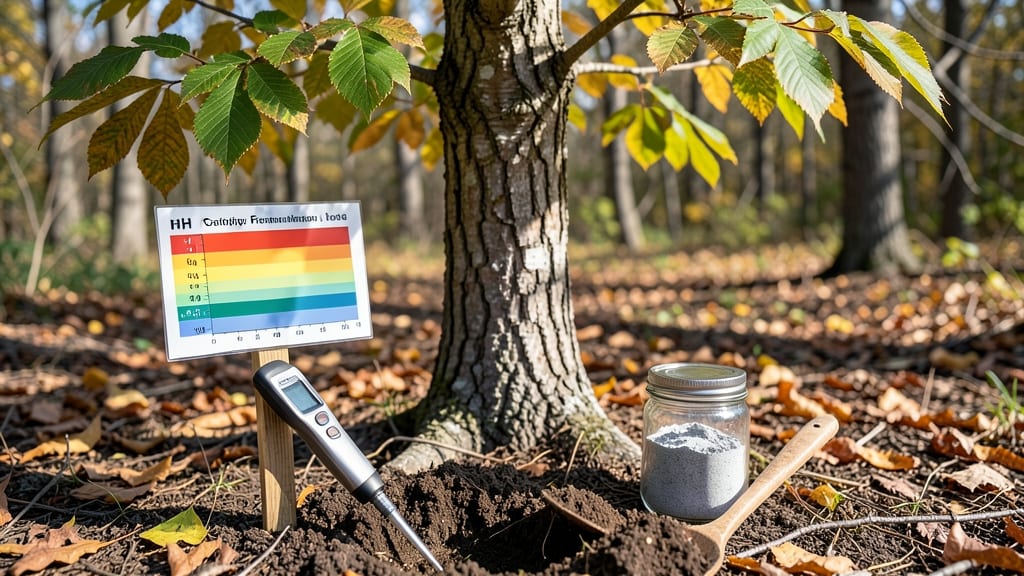
Ash actually makes soil less acidic by raising pH levels, since it contains alkaline compounds like potassium carbonate and calcium oxide that neutralize acidity. However, overuse can disrupt nutrient balance or create overly alkaline conditions harmful to acid-loving plants.
Ash's alkaline properties come from the minerals left behind when wood burns completely.
When sprinkled into soil, these compounds react with acidic hydrogen ions, effectively lowering acidity levels. 🌱 The effect varies by wood type—hardwood ash tends to be more alkaline than softwood ash, so your choice of fuel can influence results.
For best impact, use finely ground ash, which dissolves faster and spreads more evenly.
This chemical shift doesn't happen overnight. The pH change depends on factors like soil type, existing acidity levels, and rainfall patterns. While ash can be a gardener's secret weapon for balancing acidic soils, it's not a one-size-fits-all solution.
Always test your soil first to determine if you need to raise or lower pH levels.
💡 In This Article
- How Wood Ash Alters Soil pH Chemistry
- Best Practices for Using Ash in Garden Soil
How wood ash alters soil pH chemistry
Wood ash works as a natural soil amendment because it contains alkaline minerals like potassium carbonate and calcium oxide that actively neutralize acidity. When ash mixes with soil, these compounds react with hydrogen ions (H+), which are the primary drivers of acidity.
This chemical reaction effectively raises the soil's pH level, making it less acidic. For example, a soil with a pH of 5.0 (moderately acidic) might shift to 6.0-6.5 (mildly acidic to neutral) after applying ash, creating a more hospitable environment for many garden plants.
The type of wood burned dramatically affects the ash's alkalinity. Hardwood ash, such as oak or maple, typically contains higher concentrations of calcium and potassium, making it more effective at raising pH levels. Softwood ash, like pine, tends to be slightly less alkaline due to its higher resin content.
Additionally, finer ash particles dissolve more quickly in soil moisture, accelerating the pH adjustment process. Coarser ash may take weeks or even months to fully integrate and release its alkaline properties.
This chemical interaction isn't instantaneous—it depends on several factors. Rainfall plays a crucial role, as water helps dissolve the ash particles and distribute the alkaline compounds throughout the soil profile. In dry climates, you might need to water the soil after application to activate the pH-changing process.
The existing soil composition also matters: clay soils hold onto ash's benefits longer than sandy soils, which drain quickly. For optimal results, apply ash in early spring before planting, giving it time to integrate naturally.
While ash can be a gardener's ally, its effects aren't permanent. Over time, rain and plant uptake can gradually leach away the alkaline minerals, causing pH levels to drift back toward acidity.
This is why regular soil testing is essential—especially in areas with acidic rainfall or organic matter decomposition that continually lowers pH. The goal is balance: enough ash to neutralize acidity without creating a soil environment that's too alkaline for sensitive plants.
Consider this real-world example: A vegetable garden with tomato plants suffering from blossom-end rot (a common issue in slightly acidic soils) might see dramatic improvement after ash application. The raised pH helps calcium uptake, resolving the rot while also providing potassium, which boosts fruit production.
However, the same ash application would harm nearby blueberry bushes, which thrive in highly acidic soils (pH 4.5-5.5). This dual-edged effect is why plant selection matters as much as soil chemistry.
For those curious about the numbers, wood ash typically raises soil pH by 0.5 to 1.5 points per application, depending on the wood type and soil conditions. This gradual shift is why gardeners often use ash as a supplement rather than a primary soil amendment.
Think of it as fine-tuning your soil's chemistry rather than performing a dramatic overhaul.
What most gardeners don't realize is that ash's benefits extend beyond pH adjustment. The potassium and calcium it provides also act as micronutrients, supporting plant growth and disease resistance. However, these secondary benefits only materialize when the ash is applied correctly—neither too sparingly nor excessively. 🌿