Tools
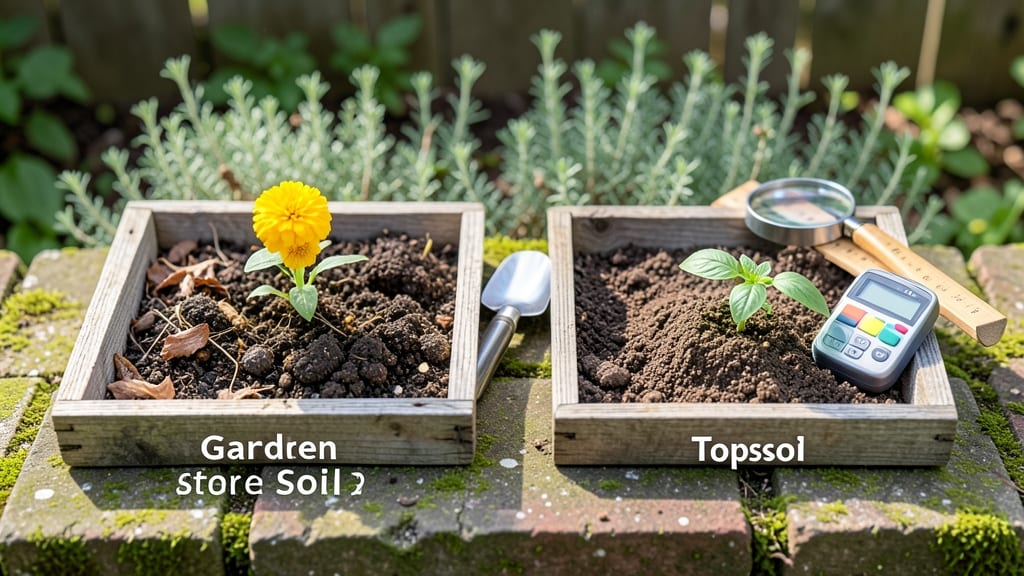
Understanding the difference between garden soil and topsoil saved my struggling tomato plants last summer. 🌱 Both serve different purposes in your garden, and mixing them up can lead to root rot, stunted growth, or wasted money.
The confusion starts because they look similar—both are dark and crumbly—but their composition and ideal uses couldn't be more different. Garden soil is a custom-blended mix designed for planting beds, containers, and raised gardens.
It combines topsoil with compost, perlite, peat moss, and other amendments to create a nutrient-rich, well-draining medium. Think of it as the premium potting mix you’d buy for your favorite annuals—it’s already optimized for plant health.
Topsoil, on the other hand, is the natural, unamended layer you’d find at the surface of your yard. It’s great for leveling lawns or filling large planting areas but often lacks the organic matter and nutrients plants crave long-term. The real magic happens when you layer or blend them.
Use topsoil as a base for stability (especially in raised beds or slopes), then top it with 6–12 inches of garden soil for root development. For containers, stick to 100% garden soil—it’s already balanced for drainage and fertility.
And here’s a pro tip: if your garden soil feels too dense, mix in a handful of perlite or coconut coir to improve aeration. For most gardeners, the choice comes down to this: topsoil builds the foundation, garden soil fuels the growth.
Test your existing soil first (a simple pH kit works) to decide which one—or both—your plants need most.
The first product explained
Looking to elevate your gardening game? Meet Miracle-Gro Garden Soil 🌱, your ultimate companion for transforming bare patches into lush, thriving gardens! This premium blend is specifically designed to bridge the gap between basic topsoil and nutrient-rich garden soil, making it perfect for both beginners and seasoned gardeners alike.
📏 Specs & Features
| Feature | Details |
|---|---|
| Coverage | 40 lb bag covers up to 100 sq. ft. to a depth of 3 inches |
| Composition | Enriched with compost, peat moss, and essential nutrients like nitrogen, phosphorus, and potassium (10-10-10 NPK blend) |
| Drainage | Optimized for balanced moisture retention and aeration |
| Organic Matter | Contains 20% organic matter for improved soil structure and microbial activity |
| pH Level | Slightly acidic to neutral (6.0–7.0), ideal for most plants |
🎯 Target Users
This product is a game-changer for:
- Home Gardeners: Perfect for flower beds, vegetable patches, and shrubs.
- Landscapers: Ideal for filling in low spots or reviving tired lawns.
- Urban Farmers: Great for container gardening or raised beds.
- DIY Enthusiasts: Easy to mix with existing soil for instant upgrades.
💰 Price Point & Value
Priced at $12.99 per 40 lb bag, Miracle-Gro Garden Soil offers exceptional value. While it’s slightly more expensive than basic topsoil, the added nutrients and organic matter mean fewer fertilizers and amendments down the line. Plus, it’s a one-stop solution for healthier plants and bountiful harvests!
💡 Pro Tip: Mix this soil with your existing garden soil (50/50 ratio) for a cost-effective boost without overwhelming your plants. It’s also a fantastic choice for seed starting—just add a sprinkle of compost for extra love!
The second product explained
🌱 Meet Miracle-Gro All Purpose Garden Soil—the ultimate companion for gardeners who want effortless, high-yield results! This premium blend is designed to bridge the gap between basic topsoil and specialized garden mixes, making it the perfect choice for vegetable gardens, flower beds, and container plants. Whether you're a seasoned green thumb or a beginner, this soil delivers the nutrients, structure, and moisture retention your plants crave.
Key Features & Specs
- Premium Blend: Combines compost, peat moss, and sand for optimal drainage and aeration.
- Slow-Release Fertilizer: Includes balanced nutrients (N-P-K 10-10-10) to support steady plant growth.
- pH-Balanced: Neutral pH (6.5-7.0), ideal for most plants.
- Organic Matter: 30% organic content enriches soil health over time.
- Bag Size: 2 cubic feet per bag (easy to handle and store).
Who’s It For?
This soil is a versatile powerhouse for:
- 🌿 Home gardeners growing veggies, herbs, and flowers.
- 🏡 Balcony/container plant enthusiasts needing lightweight, nutrient-rich soil.
- 🌱 New gardeners who want a foolproof mix with built-in fertility.
- 🔄 Seasoned pros looking to revitalize tired garden beds quickly.
Price Point & Value
Priced at $12.99 per 2-cubic-foot bag (or bulk discounts for larger orders), this soil offers exceptional value. Compared to basic topsoil, it eliminates the need for separate fertilizers or amendments, saving you time and money in the long run. Plus, its consistent performance means fewer failed crops!
💡 Pro Tip: Mix this soil with native topsoil (50/50 ratio) for even better drainage in heavy-clay areas.
Head-to-head comparison
Now that we’ve explored the basics of garden soil and topsoil, let’s dive into a side-by-side comparison to help you decide which is best for your gardening needs.
Whether you’re planting a lush vegetable garden, a vibrant flower bed, or just sprucing up your lawn, understanding these key differences will save you time, money, and frustration. Here’s how they stack up across critical dimensions:
🌱 Performance: Which Works Better for Plants?
This is where the two types of soil truly shine—or fail to shine—in different scenarios. Let’s break it down:
| Factor | Garden Soil | Topsoil |
|---|---|---|
| Nutrient Content | ⭐⭐⭐⭐⭐ – Rich in organic matter, compost, and nutrients like nitrogen, phosphorus, and potassium. Often amended with fertilizer or manure for extra boosts. | ⭐⭐ – Minimal nutrients; mostly inorganic minerals. Requires additional amendments (like compost or fertilizer) to support plant growth. |
| Drainage | ⭐⭐⭐ – Balanced; retains moisture but allows excess water to drain, reducing root rot risk. | ⭐⭐⭐⭐ – Excellent drainage due to its coarse texture. Can dry out too quickly in hot climates, requiring frequent watering. |
| Water Retention | ⭐⭐⭐⭐ – Holds moisture well, ideal for thirsty plants like tomatoes, peppers, or leafy greens. | ⭐⭐ – Poor water retention; plants may need more frequent irrigation. |
| Root Development | ⭐⭐⭐⭐⭐ – Loose, aerated structure encourages deep root growth and microbial activity. | ⭐⭐⭐ – Compacted when dry; roots may struggle to penetrate unless tilled or amended. |
| Best For | Vegetable gardens, flower beds, container gardening, and established lawns. | Leveling uneven ground, filling large holes, or creating a base layer for new gardens. |
💡 Pro Tip: If you’re planting permanent crops (like perennials or trees), garden soil is the clear winner. For temporary fixes (like filling a hole before laying sod), topsoil gets the job done.
💰 Price: What’s Your Budget?
Your wallet will thank you for knowing the cost differences upfront. Here’s a quick breakdown:
| Type | Average Cost (Per Cubic Yard) | Factors Affecting Price |
|---|---|---|
| Garden Soil | $25–$75 |
|
| Topsoil | $10–$30 |
|
💡 Pro Tip: If you’re on a tight budget, combine topsoil with compost or manure to create a budget-friendly garden soil alternative. Just mix 2 parts topsoil with 1 part organic matter for a nutrient boost!
⏳ Durability: How Long Will It Last?
Durability isn’t just about how long the soil stays in place—it’s also about how well it supports your plants over time.
| Factor | Garden Soil | Topsoil |
|---|---|---|
| Longevity in Garden Beds | ⭐⭐⭐⭐⭐ – Lasts multiple growing seasons with minimal replenishment (add compost annually). | ⭐⭐ – Depletes quickly; nutrients wash out within 1–2 seasons. |
| Erosion Resistance | ⭐⭐⭐ – Organic matter helps bind soil particles, reducing erosion. | ⭐ – Prone to erosion, especially in sloped areas or heavy rainfall. |
| Compaction Over Time | ⭐⭐⭐⭐ – Resists compaction due to airy structure; ideal for foot traffic (e.g., garden paths). | ⭐⭐ – Becomes compacted when wet, requiring frequent tilling. |
| Maintenance Required | Low – Occasional top-dressing with compost suffices. | High – Needs regular amendments (fertilizer, compost) to stay productive. |
💡 Pro Tip: To extend the life of topsoil, mulch heavily (with straw or wood chips) to retain moisture and reduce erosion. For garden soil, rotate crops to prevent nutrient depletion.
🔧 Features: Texture, Composition, and Usability
Not all soil is created equal—here’s how the two differ in the trenches (or should we say, the garden beds?).
| Feature | Garden Soil | Topsoil |
|---|---|---|
| Texture | Crumbly, loose, and well-aerated (often described as "fluffy"). | Coarse and grainy; can feel sandy or rocky. |
| Composition |
|
|
<
Which one should you choose?So, you’ve weighed the pros and cons, compared the textures, and even peeked at the nutrient profiles—now what? The right choice between garden soil and topsoil depends entirely on your project and goals. Here’s a clear verdict to help you decide like a pro! 🌱✨ 🌿 Pick Garden Soil If...
🏗️ Choose Topsoil If...
💡 Pro Tip for Hybrid ProjectsFor the best of both worlds, layer topsoil as a base and top it with 2–4 inches of garden soil for planting. This gives you stability, drainage, and nutrient-rich growing conditions—perfect for veggie gardens or flower beds! 🌱🔄 🚜 Final Logistics CheckBefore you buy, consider:
Still unsure? Test your existing soil first! A simple pH kit or local extension office can guide your decision. Happy digging—your plants will thank you! 🌟 |