
Vegetables
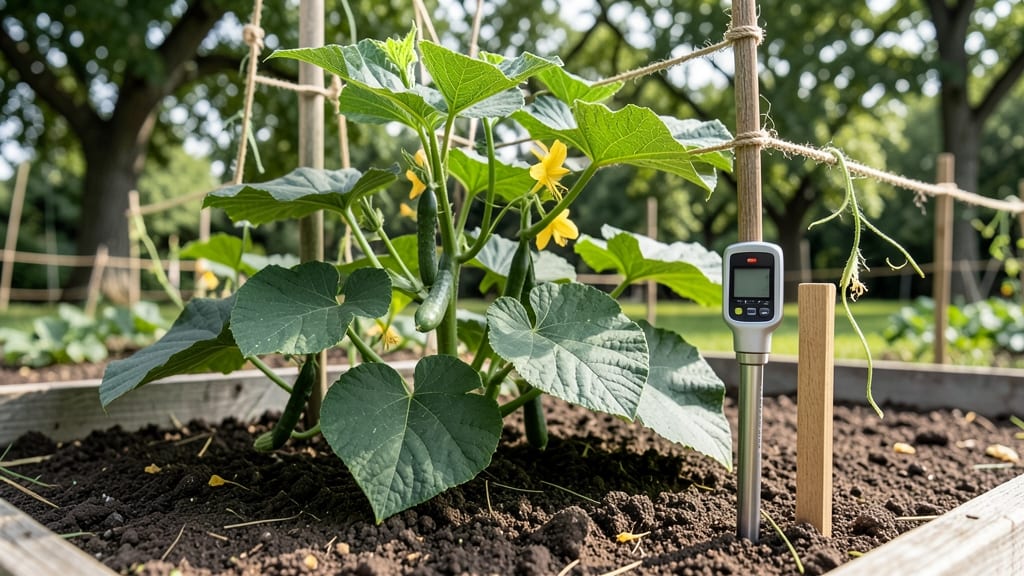
Growing cucumbers depends on soil temperature more than you might think—ideal ranges kickstart germination and keep vines thriving from seed to harvest.
Struggling to grow cucumbers that thrive from seed to harvest? Soil temperature is the hidden factor that can make or break your garden’s success—get it wrong, and you’ll face slow germination, weak plants, or even total failure.
Most gardeners focus on water and sunlight, but cucumbers 🥒 need soil that’s warm enough to wake them up. Too cold, and seeds sit dormant; too hot, and roots struggle to absorb nutrients. The right balance turns a patchy harvest into a bountiful one.
Below, I’ll break down the exact temperature ranges for each growth stage, how to adjust for your climate, and the simple tools that keep your soil in the sweet spot all season.
Optimal soil temperature ranges for cucumber germination and early growth
Cucumbers are warm-season crops that demand precise soil temperatures to thrive. Unlike cool-weather vegetables, they won’t germinate or grow well in chilly conditions. Understanding these temperature thresholds can transform your garden from struggling seedlings to a bountiful harvest.
Soil temperature directly impacts enzyme activity in cucumber seeds and roots. Below 50°F (10°C), germination slows dramatically, while above 95°F (35°C), seeds may rot before sprouting. Each growth stage—from seed to seedling—has its own ideal temperature range for peak performance.
| Growth Stage | Optimal Soil Temp (°F/°C) | Minimum Viable Temp (°F/°C) | Key Implications |
|---|---|---|---|
| Pre-Sprouting (Seed) | 70-90°F (21-32°C) | 50°F (10°C) | Germination halts below 50°F; seeds rot above 95°F |
| Germination | 75-85°F (24-29°C) | 60°F (16°C) | Peak sprout rate; weak seedlings below 60°F |
| Seedling Phase | 70-80°F (21-27°C) | 65°F (18°C) | Stunted growth below 65°F; heat stress above 85°F |
| Vine Establishment | 75-85°F (24-29°C) | 70°F (21°C) | Root development accelerates; flowering delayed below 70°F |
The pre-sprouting stage is the most critical. Cucumber seeds contain oils that require warmth to break down and trigger germination. At 70°F (21°C), seeds typically sprout in 5-7 days. Drop to 60°F (16°C), and germination may take 2-3 weeks—or fail entirely.
During the seedling phase, consistent warmth is essential for root development. Soil temperatures below 65°F (18°C) cause seedlings to become leggy and weak, while temperatures above 85°F (29°C) can scorch delicate roots.
This is why many gardeners use row covers or black plastic mulch to maintain stable conditions.
As cucumbers transition to vine establishment, the ideal soil temperature shifts slightly higher to 75-85°F (24-29°C). This range ensures rapid vine growth and prepares the plant for flowering. Below 70°F (21°C), cucumbers may produce fewer flowers or develop male flowers only, reducing fruit yield.
Regional climate variations play a huge role. In northern climates (USDA Zones 3-5), gardeners often use heat mats or cold frames to reach the 70°F (21°C) threshold.
In southern climates (Zones 8-10), shade cloth becomes essential to prevent soil from exceeding 90°F (32°C), which can cause seed rot or wilting.
Monitoring soil temperature is easier than you think. Use a soil thermometer to check depths of 1-2 inches (where seeds are planted) and 4-6 inches (root zone). For container gardening, soil warms faster—aim for 75°F (24°C) in pots to compensate for quicker heat loss.
Pro tip: Morning soil temperatures are often 5-10°F cooler than afternoon readings. Plant seeds when morning temps hit 65°F (18°C) to ensure they stay within the optimal germination range throughout the day. This small adjustment can mean the difference between success and failure.
If your soil runs too cold, try black plastic mulch or straw bales to absorb and retain heat. For overheated soil, shade cloth (30-50%) or drip irrigation can lower temperatures by 10-15°F. These simple fixes keep cucumbers on track for a healthy, productive growing season. 🌱
How to adjust soil temperature for cucumbers in different climates
Cucumbers are finicky about soil temperature, and your climate plays a huge role in whether they thrive or struggle. In cold climates, chilly soil can delay germination for weeks, while hot climates may cause seeds to rot before they even sprout.
Even urban gardeners with limited space face unique challenges—like containers overheating or cooling too quickly. The good news? With the right adjustments, you can create the perfect 70–95°F (21–35°C) soil environment cucumbers crave, no matter where you live.
Let’s break down practical solutions for three common scenarios: cool climates (like Zone 4–6), hot climates (Zone 7–10), and urban gardens with containers or small plots. Each method targets the same goal—consistent warmth—but uses different tools and timing to get there.
Whether you’re using row covers, black plastic mulch, or a simple heat mat, these tricks will help your cucumbers grow strong and productive.
- 1. Cold Climates: Use black plastic mulch or row covers to raise soil 10–15°F warmer than ambient air.
- 2. Hot Climates: Apply shade cloth (30–50%) and water deeply at dawn to prevent soil from overheating above 95°F (35°C).
- 3. Urban Gardens: Plant in large containers (15+ gallons) with heat mats or dark-colored fabric to absorb sunlight.
- 4. Timing Matters: In cold areas, wait until soil hits 70°F (21°C) before planting; in hot areas, start seeds indoors 4–6 weeks early.
- 5. Monitor with Tools: Use a soil thermometer to check temps at 4-inch depth—this is where seeds and roots need warmth most.
For cold climates, I’ve had the most success with black plastic mulch, which can raise soil temperatures by 10–15°F compared to bare earth. Lay it down 2–3 weeks before planting to warm the soil gradually.
If you’re in a Zone 4 or 5, pair it with a low tunnel or row cover for extra insulation. Pro tip: Remove the mulch once vines start running to avoid overheating later in the season.
In hot climates, the biggest enemy is soil overheating, which can kill seeds or stunt growth. I recommend 30–50% shade cloth to diffuse sunlight while still allowing enough light for photosynthesis.
Watering deeply in the early morning also helps—this keeps the soil moist longer and prevents extreme temperature swings. If your area hits 100°F (38°C) regularly, consider drip irrigation to maintain consistent moisture without wetting leaves (which can cause disease).
Urban gardeners often deal with limited space and extreme microclimates, but containers can actually give you more control. Use dark-colored pots (black or brown) to absorb heat, and add a heat mat if your balcony or patio gets chilly at night.
For small-space solutions, I’ve grown cucumbers in 15-gallon fabric pots with a self-watering reservoir—this keeps roots warm and hydrated even in fluctuating temperatures. Just remember: larger containers = more stable temps, so avoid tiny pots that heat up and cool down too quickly.
No matter your climate, monitoring soil temperature is non-negotiable. Grab a soil thermometer (they’re cheap and worth it!) and check temps at 4-inch depth—this is where cucumber seeds and roots need warmth most.
If your soil runs below 70°F (21°C), your seeds won’t germinate; if it’s above 95°F (35°C), roots can suffer.
Adjust your methods based on real-time data, and don’t be afraid to experiment with mulch colors (white reflects heat, black absorbs it) or planting times to find what works best for your garden.
With these adjustments, your cucumbers will germinate faster, grow stronger, and produce more, regardless of whether you’re battling spring frosts or summer scorching. Start small—try one method this season—and watch your plants respond. Happy growing! 🌱