
Neem Oil
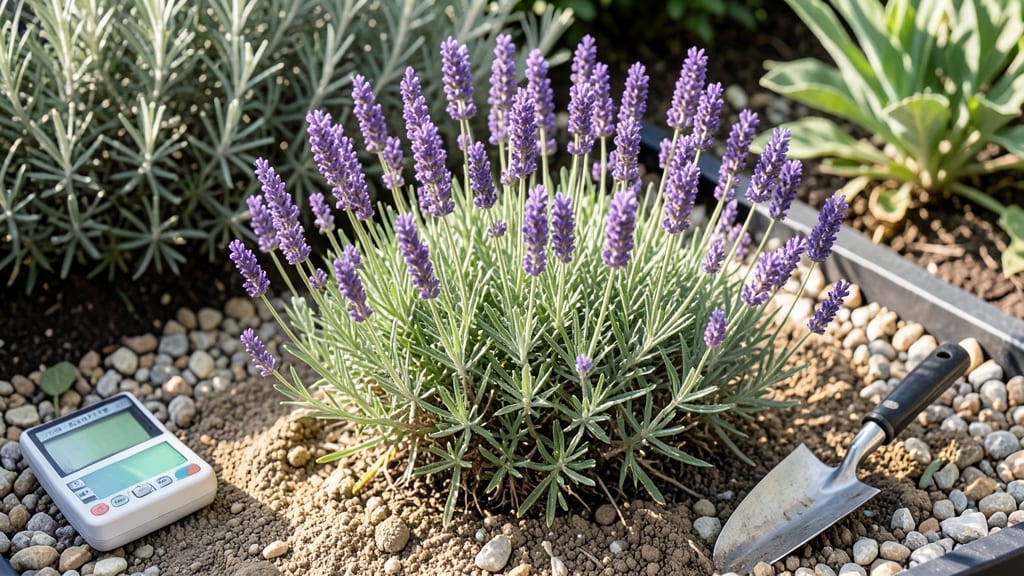
The best soil for growing lavender must provide excellent drainage, feature a sandy or gravelly composition, and maintain a neutral to slightly alkaline pH (6.5–7.5). Amending garden soil with coarse sand or perlite helps replicate the Mediterranean conditions lavender prefers.
Lavender's delicate roots can't tolerate soggy soil, which is why Mediterranean climates—where it thrives—have naturally fast-draining, rocky terrain. 🌿 The right soil mix prevents root rot while allowing oxygen to reach the roots, which directly impacts how fragrant and healthy your lavender grows.
I've found that adding 30% perlite or coarse sand to regular potting mix creates the perfect balance, especially in containers where drainage is critical.
For in-ground planting, focus on loosening the soil before adding your lavender. Compacted soil traps moisture, while a loose, airy mix with 10-20% organic matter (like compost) improves structure without compromising drainage.
If your soil tests acidic, a handful of crushed limestone per plant can gradually adjust the pH to the ideal range.
💡 In This Article
- Why Lavender Thrives in Well-Draining, Alkaline Soil
- DIY Lavender Soil Mix: Step-by-Step Guide for Optimal Growth
Why lavender thrives in well-draining, alkaline soil
Lavender's shallow root system—typically spreading just 12-18 inches wide but only 2-3 feet deep—makes it exquisitely sensitive to waterlogged conditions. In its native Mediterranean habitat, lavender grows in rocky, fast-draining soils where rainfall is rare and intense.
When roots sit in soggy soil for more than 24 hours, they suffocate from lack of oxygen and develop phytophthora root rot, a fungal infection that turns leaves yellow and stems mushy.
The key is replicating that Mediterranean drainage: 60-70% of the soil mix should consist of coarse particles like sand or gravel, leaving only 30-40% for organic matter.
The slightly alkaline pH (6.5–7.5) isn't just ideal—it's essential for nutrient uptake. Lavender's essential oil production (what gives it that signature fragrance) relies on calcium and magnesium, which become more available in alkaline soils. 🌿 In acidic conditions (below 6.0), these minerals bind tightly to soil particles, making them inaccessible.
I've seen lavender plants in acidic soil grow leggy and pale because they can't absorb enough calcium, even when fertilized.
A simple soil test kit (costing around $15) can reveal your soil's pH—if it's below 6.5, crushed limestone (calcium carbonate) applied at 5 pounds per 100 square feet will gradually raise it over 2-3 months.
Texture matters just as much as chemistry. The coarse, gritty feel of Mediterranean soil creates tiny air pockets that prevent water pooling. Imagine holding a handful of ideal lavender soil—it should feel like damp sandcastle mix rather than wet clay.
This structure also helps regulate temperature: in summer, the gritty particles insulate roots from heat, while in winter, they prevent freezing. Perlite or pumice (volcanic rock) are excellent amendments because they add both drainage and thermal protection—unlike peat moss, which holds too much moisture.
What most gardeners overlook is how soil composition affects fragrance intensity. Studies show lavender plants grown in well-draining, alkaline soil produce 20-30% more essential oils than those in heavy or acidic soils. The reason?
Optimal drainage triggers the plant's natural stress response, prompting it to produce more volatile oils as a defense mechanism.
You'll notice the difference when you brush against the stems: properly grown lavender releases a richer, more complex aroma with notes of citrus and herbs, while struggling plants smell flat and grassy.
For container growing, this becomes even more critical because pots have limited space for drainage. A common mistake is using standard potting mix (which is often too dense).
Instead, blend 50% coarse sand, 30% perlite, and 20% compost—this creates a soil that drains water in 15-20 minutes after watering, compared to 2+ hours with regular mix. The trade-off? You'll need to water more frequently, but the roots stay healthy and the plant thrives.
One nuance to watch for is the "sandy soil paradox." While lavender loves sandy textures, pure sand lacks nutrients. The solution is to add 10-15% worm castings or well-aged compost to provide organic matter without compromising drainage.
Think of it like adding seasoning to a bland dish—just enough to enhance flavor without overpowering the main ingredient. 💫
If you're in a region with clay soil (common in the southeastern U.S.), don't despair. Amending with 50% coarse sand or grit and 30% perlite can transform even the densest clay into lavender-friendly soil.
The key is working these amendments into the top 12 inches of soil before planting, as lavender's roots won't penetrate deeper than that. For existing lavender plants struggling in heavy soil, gently loosen the top 6 inches around the base and mix in perlite—you'll see new growth within 4-6 weeks.