
Container Gardens
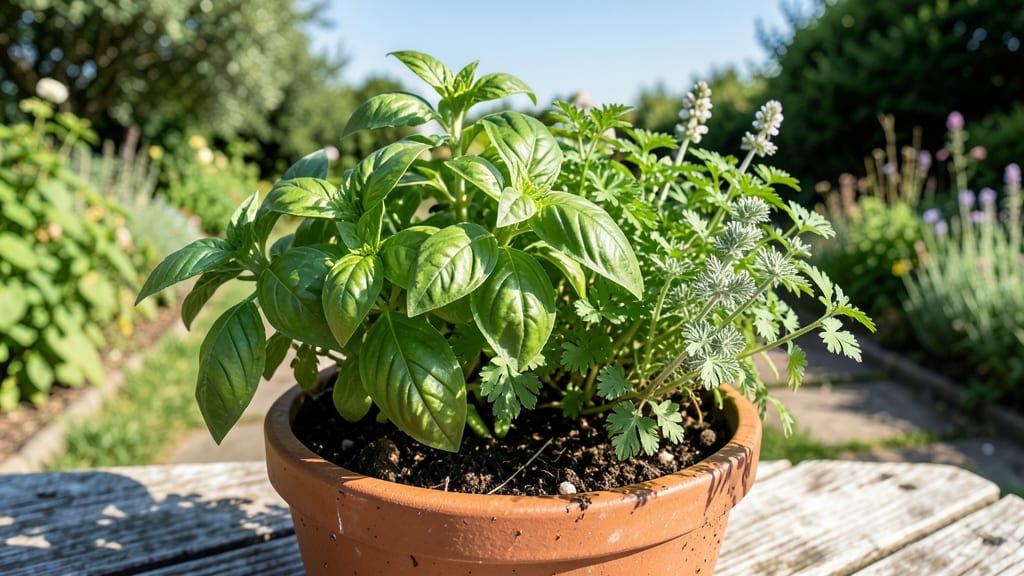
The right soil for potted herbs is the key to thriving plants that stay lush and flavorful all season long 🌿 — and it’s not just any dirt from your yard.
Struggling with wilting herbs in your pots? The secret lies in the soil—not just any dirt, but a fast-draining mix designed to keep roots happy and prevent root rot.
Herbs like basil, thyme, and parsley need a blend that mimics their natural, rocky Mediterranean soil: airy, nutrient-rich, and quick to dry between waterings.
Below, I’ll break down the exact mix to use, how to avoid common mistakes, and whether to buy pre-made or DIY—so your herbs grow fast and stay healthy.
The perfect fast-draining soil mix for potted herbs
If your potted basil or thyme keeps wilting despite regular watering, the issue likely lies in your soil mix. Herbs thrive in fast-draining soil that mimics their natural, rocky Mediterranean environments.
The wrong mix leads to root rot and stunted growth. My go-to formula solves this with a 50-30-20 blend that balances moisture retention and aeration.
Most gardeners make the mistake of using garden soil or heavy potting mixes that compact over time. These trap moisture around roots, suffocating plants. Instead, we need a lightweight combination that prevents soggy conditions while providing essential nutrients.
This blend works equally well for parsley, oregano, and even rosemary—each with their own drainage needs.
| Component | Purpose | Best For |
|---|---|---|
| 50% Potting Mix | Base nutrients + structure | All herbs |
| 30% Perlite/Pumice | Prevents compaction + drains excess water | Basil, Parsley |
| 20% Compost | Slow-release nutrients | Thyme, Rosemary |
The 50% potting mix forms the foundation, providing essential nutrients without being too dense. I recommend a lightweight blend like Miracle-Gro Potting Mix or FoxFarm Ocean Forest—both are formulated for container plants.
For the remaining 30%, perlite or pumice creates air pockets that prevent waterlogging. Perlite is more affordable, while pumice adds extra mineral content.
Never skip the 20% compost—this is where herbs get their flavor! I use worm castings for a gentle, nutrient-rich boost that won't burn delicate roots. For thyme and rosemary, which prefer leaner conditions, reduce compost to 10% and add 10% coarse sand instead.
This mimics their natural rocky habitats and prevents fungal issues.
To mix your blend, start by combining equal parts potting mix and perlite in a large bucket. Then stir in the compost until evenly distributed. For basil, which loves moisture but hates soggy roots, add a handful of coconut coir to improve water retention slightly.
Always test your mix by filling a small pot and watering—if water pools on top after 10 minutes, add more perlite.
Herbs like parsley and cilantro benefit from a slightly moisture-retentive mix, so adjust the perlite to 25% and increase compost to 25%. The key is observing your plants: yellowing leaves mean too much moisture, while crispy edges signal under-watering.
This blend gives you the perfect balance to avoid both extremes.
One common mistake is reusing old soil from previous plantings. Over time, potting mixes break down and lose their structure. Refresh your herb pots annually by replacing 50% of the old mix with fresh components.
For thyme and oregano, which are drought-tolerant, you can extend this to every 2 years by adding 10% fresh perlite each season.
For container gardening, pot size matters too. Small 6-inch pots dry out faster, so use a 60-40 mix (60% potting, 40% perlite). Larger 12-inch pots can handle the 50-30-20 blend.
Always use pots with drainage holes—even "self-watering" containers need proper airflow at the bottom. I swear by terracotta for herbs because it wicks away excess moisture naturally.
Pro tip: Sterilize your mix before use by baking it in the oven at 200°F for 30 minutes to kill pathogens. This is especially important if you're repurposing containers from last season.
After mixing, store any extras in a sealed container for up to 6 months, but add fresh compost before reuse to replenish nutrients.
With this fast-draining mix, your basil will stay lush, your thyme will stay fragrant, and your parsley will grow bushier than ever. The secret isn't just in the ingredients—it's in understanding how each component works together to give your herbs the perfect home.
Common soil mistakes that kill potted herbs (and how to fix them)
Even with the right herbs like basil or thyme, poor soil can turn your container garden into a death trap. I’ve seen yellowing leaves and mushy roots from soil mistakes that are easy to fix.
The biggest culprits? Overwatering, compacted soil, and ignored drainage issues. These problems don’t just stunt growth—they can kill your herbs faster than you can say "harvest season."
Your potted herbs need fast-draining soil to thrive, but many gardeners unknowingly create the opposite. Using regular garden soil or skipping the right amendments leads to root rot and fungal diseases.
Even if you’re watering "just right," the soil composition might be trapping moisture like a swamp. The good news? Simple fixes can save your plants and your sanity.
⚠️ 3 Soil Mistakes That Kill Potted Herbs
- Overwatering: Soggy soil suffocates roots and invites rot. Fix: Let top inch dry before watering again.
- Compacted Soil: Dense mixes block airflow and water flow. Fix: Add perlite or vermiculite (20-30% of mix).
- No Drainage: Pots without holes trap water. Fix: Use terracotta pots or add a gravel layer at the bottom.
Herbs like mint and parsley are especially sensitive—don’t let their soil stay wet for more than 2 days!
Let’s start with the most common mistake: overwatering. I’ve seen gardeners drown their herbs by watering on a schedule instead of checking soil moisture. Herbs like basil and cilantro prefer their soil to dry out slightly between waterings.
Stick your finger an inch into the soil—if it’s damp, wait. If it’s dry, water until it drains freely from the bottom. A moisture meter can be a game-changer here.
Next up: compacted soil. Many potting mixes lack the air pockets herbs need. If your soil feels like wet clay when squeezed, it’s time to lighten it up. Mix in coarse sand or perlite to improve drainage and aeration.
For every gallon of potting mix, add 1 cup of perlite. This simple tweak can double your herbs’ growth rate by keeping roots oxygenated.
Poor drainage is another silent killer. If your pots lack drainage holes, water pools at the bottom, creating a breeding ground for root rot. Even with holes, a thick layer of soil can block water flow.
My go-to fix? Add a 1-inch layer of gravel or pumice at the bottom before adding soil. For extra insurance, use terracotta pots, which wick away moisture faster than plastic.
Don’t forget about nutrient balance. Herbs need more than just good drainage—they crave nutrients too. If your soil lacks organic matter, your herbs will look sad and flavorless. Work in compost or worm castings (10-20% of your mix) to feed your plants slowly.
For a quick boost, use a balanced fertilizer (like 10-10-10) every 4-6 weeks during the growing season.
Finally, rotate your pots occasionally. Herbs grow toward the light, and uneven light exposure can cause leggy, weak stems. Every few weeks, turn your pots a quarter-turn to encourage even growth.
This small habit keeps your herbs bushy and full of flavor. With these fixes, your potted herbs will thrive all season long—no more wilting or mystery diseases! 🌿